
Barbarasexappelwithtoriticketshow20181114 Hot _verified_ May 2026

  • Beter scoren op de IEP- of Leerling in beeld-toetsen (Cito)
  • Meer zelfvertrouwen door samen oefenen
  • Door ouders als beste beoordeeld

EXTRA: Je krijgt ook een wekelijkse e-mail met tips, uitleg en meer downloads om jouw kind echt goed te kunnen helpen. Deze service per e-mail is gratis.


Barbarasexappelwithtoriticketshow20181114 Hot _verified_ May 2026

The evolution of in media reflects our changing societal values, moving from simple "boy meets girl" tropes to complex explorations of intimacy, identity, and emotional intelligence. Whether in classic literature, prestige television, or modern cinema, these narratives serve as a mirror for the human experience, helping us navigate the messy reality of love. The Foundation: Conflict and Connection

By delaying the payoff, writers build immense emotional investment, making the eventual union feel earned.

This dynamic thrives on high-stakes banter and the thin line between passion and animosity. barbarasexappelwithtoriticketshow20181114 hot

As storytelling continues to evolve, the focus is shifting away from idealized perfection and toward the beauty of the "imperfect match." By highlighting communication, boundaries, and mutual growth, modern romantic narratives are becoming more than just escapism—they are becoming blueprints for healthier real-world connections. AI responses may include mistakes. Learn more

Relationships and romantic storylines endure because they tap into a universal need for belonging. Even in genres like sci-fi or horror, a romantic subplot provides the "emotional stakes" that make the audience care about the world-ending threats. We don't just watch for the kiss; we watch to see characters become better versions of themselves through the eyes of someone else. The evolution of in media reflects our changing

While some view tropes as clichés, they are actually the building blocks of the genre. They provide a familiar framework that allows creators to subvert expectations. Popular tropes include:

This setup allows characters to explore intimacy in a "safe," simulated environment before realizing their feelings are real. Representation and Realism This dynamic thrives on high-stakes banter and the

At its core, any compelling romantic storyline relies on the tension between desire and obstacles. Historically, these obstacles were external—warring families (as seen in Romeo and Juliet ), class divides ( Pride and Prejudice ), or physical distance. However, contemporary storytelling has shifted toward internal conflict. Modern audiences gravitate toward characters who must overcome their own trauma, insecurities, or differing life goals to make a relationship work. The Power of Tropes

One of the most significant shifts in romantic storylines is the move toward inclusivity. We are seeing a broader spectrum of experiences, including LGBTQ+ romances, neurodivergent connections, and healthy depictions of non-monogamy. Furthermore, creators are increasingly focusing on the "happily ever after" phase—showing that the hard work of a relationship often begins after the initial chase. Why We Remain Obsessed

gratis oefenbladen doorstroomtoets groep 8-min
Oefenblad

Oefenbladen Doorstroomtoets Groep 8 (Gratis)

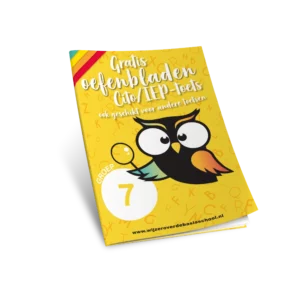
Gratis Oefenbladen Cito - IEP toets
Oefenblad

Oefenbladen Cito/IEP-toets Groep 7 (Gratis)

The evolution of in media reflects our changing societal values, moving from simple "boy meets girl" tropes to complex explorations of intimacy, identity, and emotional intelligence. Whether in classic literature, prestige television, or modern cinema, these narratives serve as a mirror for the human experience, helping us navigate the messy reality of love. The Foundation: Conflict and Connection

By delaying the payoff, writers build immense emotional investment, making the eventual union feel earned.

This dynamic thrives on high-stakes banter and the thin line between passion and animosity.

As storytelling continues to evolve, the focus is shifting away from idealized perfection and toward the beauty of the "imperfect match." By highlighting communication, boundaries, and mutual growth, modern romantic narratives are becoming more than just escapism—they are becoming blueprints for healthier real-world connections. AI responses may include mistakes. Learn more

Relationships and romantic storylines endure because they tap into a universal need for belonging. Even in genres like sci-fi or horror, a romantic subplot provides the "emotional stakes" that make the audience care about the world-ending threats. We don't just watch for the kiss; we watch to see characters become better versions of themselves through the eyes of someone else.

While some view tropes as clichés, they are actually the building blocks of the genre. They provide a familiar framework that allows creators to subvert expectations. Popular tropes include:

This setup allows characters to explore intimacy in a "safe," simulated environment before realizing their feelings are real. Representation and Realism

At its core, any compelling romantic storyline relies on the tension between desire and obstacles. Historically, these obstacles were external—warring families (as seen in Romeo and Juliet ), class divides ( Pride and Prejudice ), or physical distance. However, contemporary storytelling has shifted toward internal conflict. Modern audiences gravitate toward characters who must overcome their own trauma, insecurities, or differing life goals to make a relationship work. The Power of Tropes

One of the most significant shifts in romantic storylines is the move toward inclusivity. We are seeing a broader spectrum of experiences, including LGBTQ+ romances, neurodivergent connections, and healthy depictions of non-monogamy. Furthermore, creators are increasingly focusing on the "happily ever after" phase—showing that the hard work of a relationship often begins after the initial chase. Why We Remain Obsessed