The "ghetto gaggers baby doll link" phenomenon serves as a microcosm for the complex and often fraught world of online content. As we navigate this digital landscape, it's essential to approach content with a critical eye, considering both its potential benefits and risks. By understanding the psychology of online content consumption, the impact on online communities, and the role of algorithms and platforms, we can work towards creating a safer and more responsible online environment for all users. Ultimately, the future of online content regulation will depend on our collective efforts to promote healthy and respectful online interactions.
Online platforms and algorithms play a significant role in the dissemination and amplification of "ghetto gaggers baby doll link" content. Social media platforms, in particular, use complex algorithms to curate content for users, often prioritizing engagement and virality over other factors. This can create a feedback loop, where content that is provocative or attention-grabbing is promoted and shared widely, even if it is problematic or disturbing.
The origins of "ghetto gaggers baby doll link" are murky, and it's challenging to pinpoint exactly when and where the term first emerged. However, it's clear that the term has evolved over time, adapting to changing online trends and user behaviors. Initially, the term may have been used to describe a specific type of music video or meme, but it has since taken on a life of its own, becoming a catch-all phrase for certain types of content that are often provocative or transgressive.
To understand the appeal of "ghetto gaggers baby doll link" content, it's essential to examine the psychology of online content consumption. Research has shown that people are drawn to content that is provocative, shocking, or taboo, often as a way to experience thrill or excitement. This can be attributed to the concept of "sensation seeking," where individuals crave novel or intense experiences to stimulate their senses.
As the "ghetto gaggers baby doll link" phenomenon continues to evolve, it's clear that online content regulation will become an increasingly pressing concern. Governments, platforms, and users must work together to establish clear guidelines and standards for online content, balancing free speech and creative expression with the need to protect vulnerable populations and prevent harm.
The internet has revolutionized the way we consume and interact with content. With the proliferation of social media platforms, online forums, and video sharing sites, a vast array of information and entertainment is at our fingertips. However, this digital landscape also harbors a more complex and often disturbing side, where certain types of content can have far-reaching implications. One such example is the "ghetto gaggers baby doll link," a term that has gained notoriety online and sparked debates about its significance and effects.
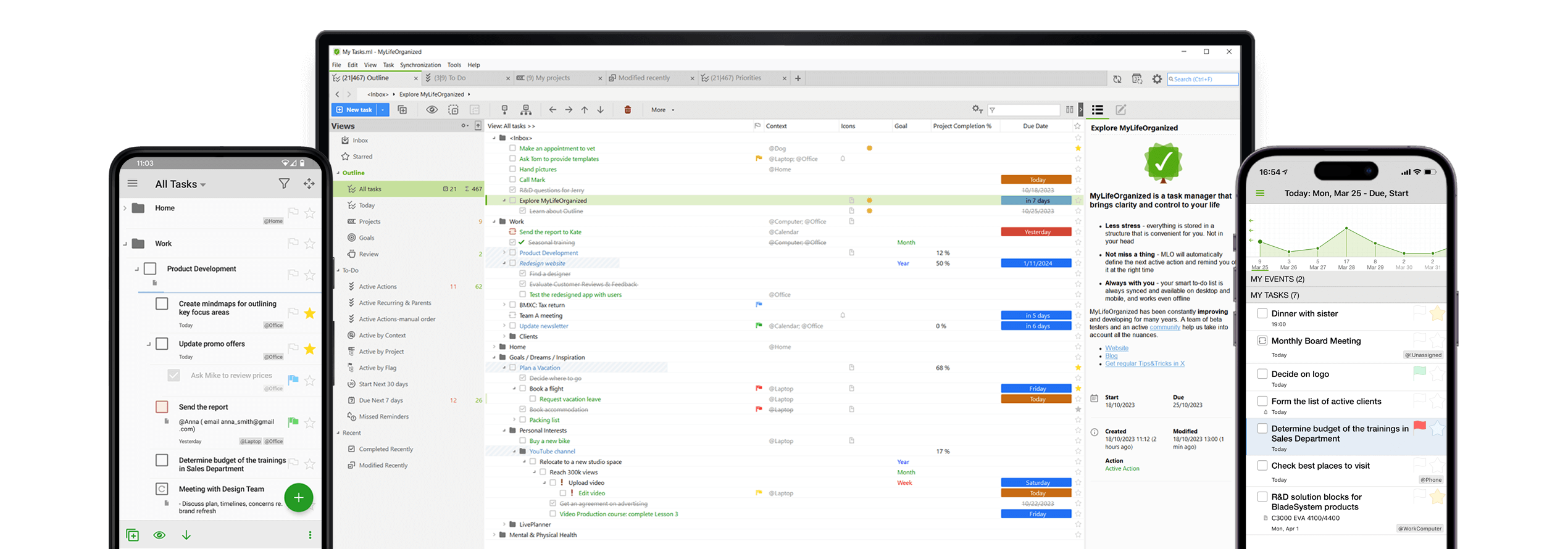
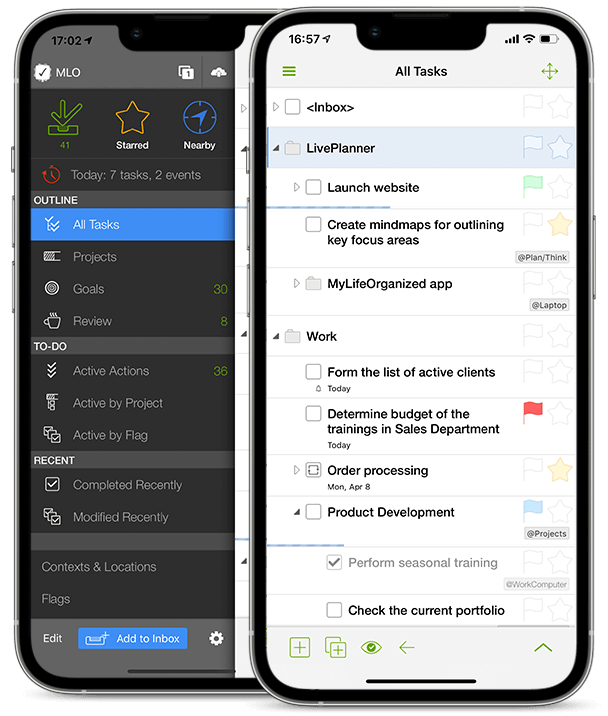
Easily create new tasks in your checklist app. An elegant To-Do list view will help you to focus on the most important items and act immediately.
Clean and simple drag-and-drop interface allows you to rearrange tasks within a plain list or organise them into a tree.
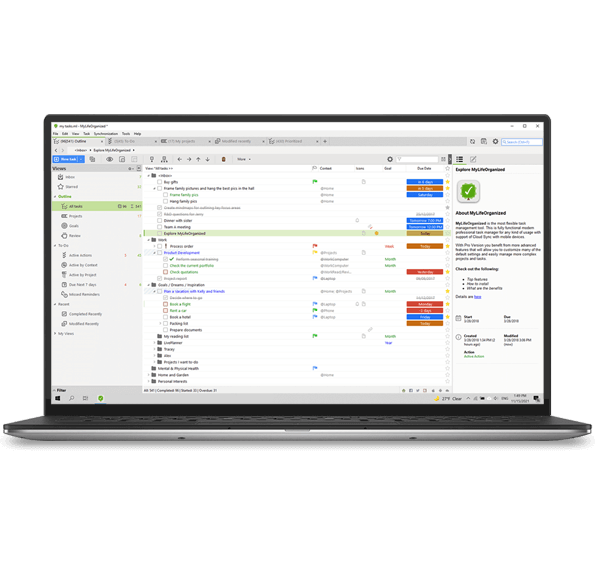
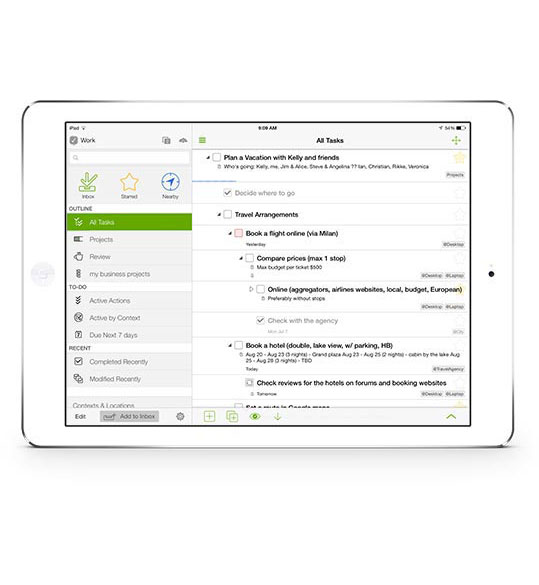
Simple To-Do lists are awesome but what if you want to break a task into subtasks and that task into more subtasks? MLO allows you to do this … INFINITELY!
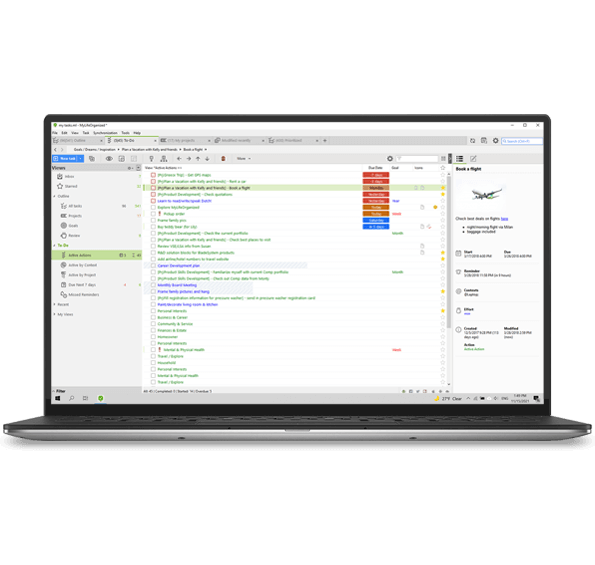
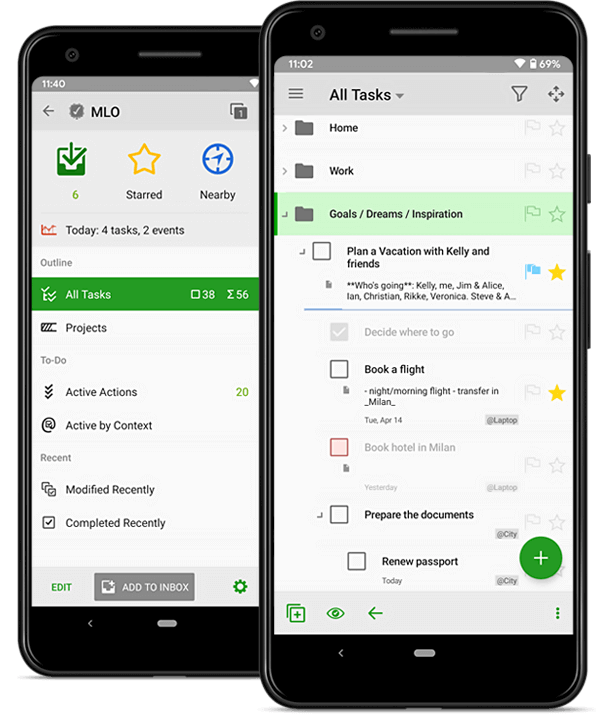
You can create flexible hierarchical lists and add dependencies between the tasks. Planning a business trip or your wedding has never been easier.
MLO has gone further…
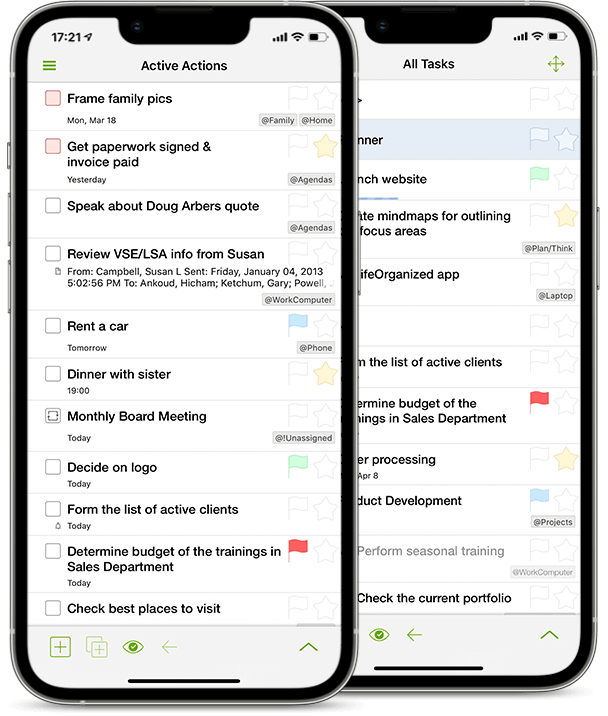
Once you have added due dates, contexts and dependencies, MLO will automatically generate a smart list of action items that require your immediate attention.
Use an outline for planning and a plain list for doing. MLO dual view empowers you to use GTD® or any task management methodology which is most suitable for your task organizing.
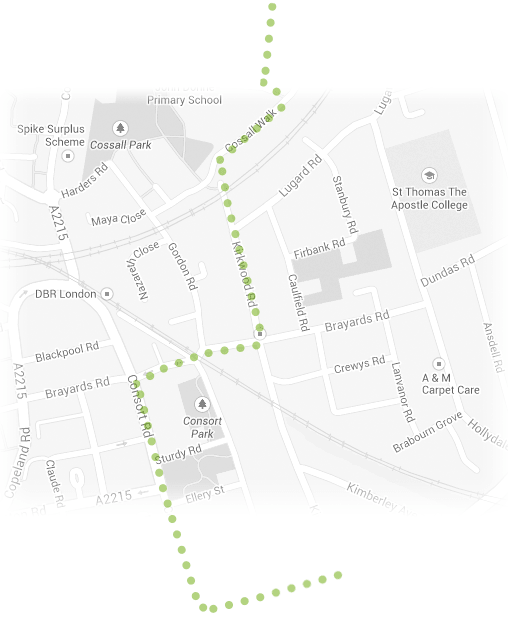
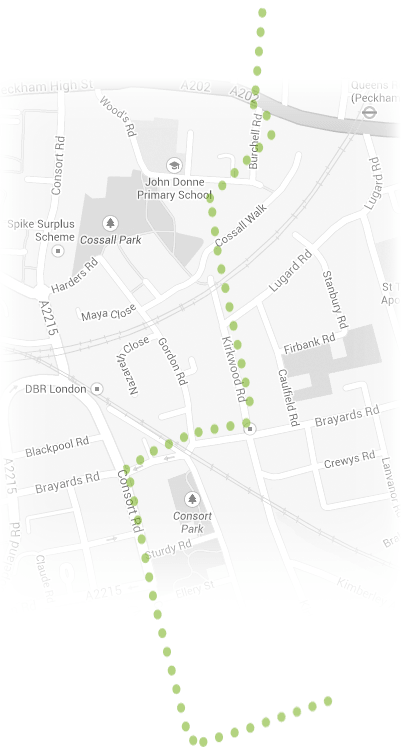

Get the right information in the right place. MLO is designed to send you smart reminders when you arrive to one of your locations.
When you are at a mall, MLO can send you a notification with a shopping list. Once you get home, a reminder with a list of actions will be there for you.
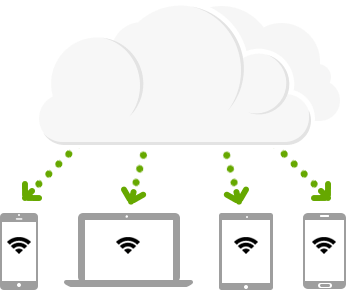
MLO syncs across all your devices and you always stay on top of your tasks.
With Cloud subscription the changes made on one of your devices will automatically appear on all others.
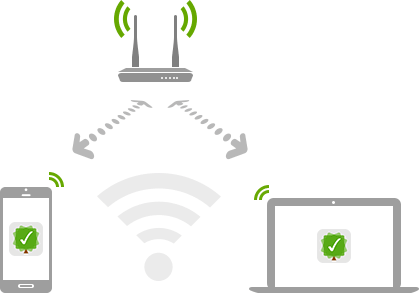
With Wi-Fi one-to-one secure connection you can take control over the data transmitted.
Simply connect your mobile device to the same Wi-Fi network as your desktop and sync the changes you made in your task lists and projects.
| MLO for Windows | MLO for Mobile | ||||
|---|---|---|---|---|---|
| Feature | Purpose | Std | Pro | Free | Pro |
| Cloud Sync | Multiple devices sync | ||||
| Wi-Fi Sync | One mobile - one desktop | ||||
— A paid cloud subscription is needed to sync all your MLO (desktop and mobile) devices
— One desktop app synchronises with one of your mobile devices (included to Pro version)
Current Version:
Requires: /XP
Pricing: Standard: $* | Professional: $*
One time purchase. No monthly charges.**
MLO syncs across all your devices.
Low cost paid subscription required.
Pricing: Year: $* | 6 months: $*
Get your free trial Cloud subscription.
Current version: ghetto gaggers baby doll link
Requires:
Pricing: FREE | Professional: $
One time purchase. No monthly charges.**
PRO available with In-App purchase
Current version:
Requires:
Pricing: FREE | Professional: $
One time purchase. No monthly charges.** The "ghetto gaggers baby doll link" phenomenon serves
PRO available with In-App purchase or on our site
The "ghetto gaggers baby doll link" phenomenon serves as a microcosm for the complex and often fraught world of online content. As we navigate this digital landscape, it's essential to approach content with a critical eye, considering both its potential benefits and risks. By understanding the psychology of online content consumption, the impact on online communities, and the role of algorithms and platforms, we can work towards creating a safer and more responsible online environment for all users. Ultimately, the future of online content regulation will depend on our collective efforts to promote healthy and respectful online interactions.
Online platforms and algorithms play a significant role in the dissemination and amplification of "ghetto gaggers baby doll link" content. Social media platforms, in particular, use complex algorithms to curate content for users, often prioritizing engagement and virality over other factors. This can create a feedback loop, where content that is provocative or attention-grabbing is promoted and shared widely, even if it is problematic or disturbing.
The origins of "ghetto gaggers baby doll link" are murky, and it's challenging to pinpoint exactly when and where the term first emerged. However, it's clear that the term has evolved over time, adapting to changing online trends and user behaviors. Initially, the term may have been used to describe a specific type of music video or meme, but it has since taken on a life of its own, becoming a catch-all phrase for certain types of content that are often provocative or transgressive.
To understand the appeal of "ghetto gaggers baby doll link" content, it's essential to examine the psychology of online content consumption. Research has shown that people are drawn to content that is provocative, shocking, or taboo, often as a way to experience thrill or excitement. This can be attributed to the concept of "sensation seeking," where individuals crave novel or intense experiences to stimulate their senses.
As the "ghetto gaggers baby doll link" phenomenon continues to evolve, it's clear that online content regulation will become an increasingly pressing concern. Governments, platforms, and users must work together to establish clear guidelines and standards for online content, balancing free speech and creative expression with the need to protect vulnerable populations and prevent harm.
The internet has revolutionized the way we consume and interact with content. With the proliferation of social media platforms, online forums, and video sharing sites, a vast array of information and entertainment is at our fingertips. However, this digital landscape also harbors a more complex and often disturbing side, where certain types of content can have far-reaching implications. One such example is the "ghetto gaggers baby doll link," a term that has gained notoriety online and sparked debates about its significance and effects.