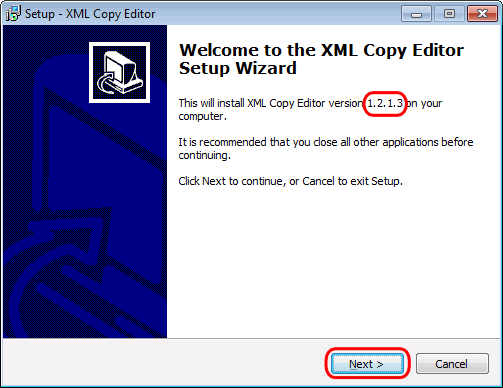
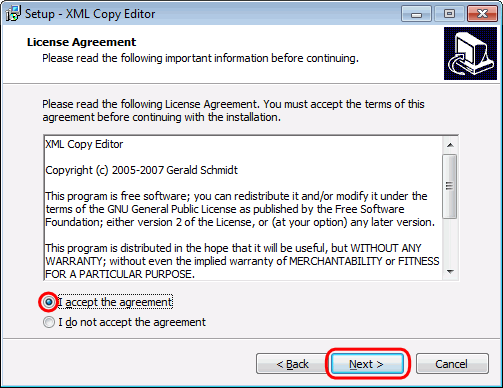
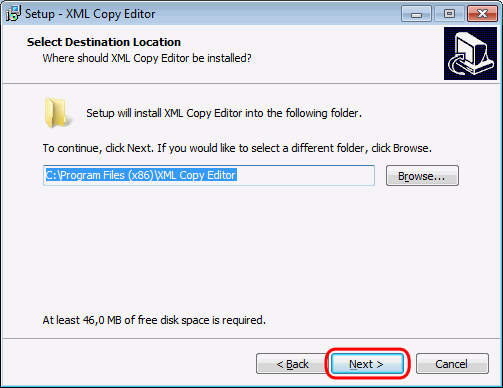
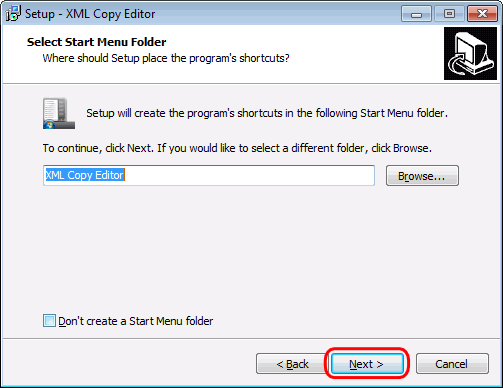
Conseguir XML Copy Editor
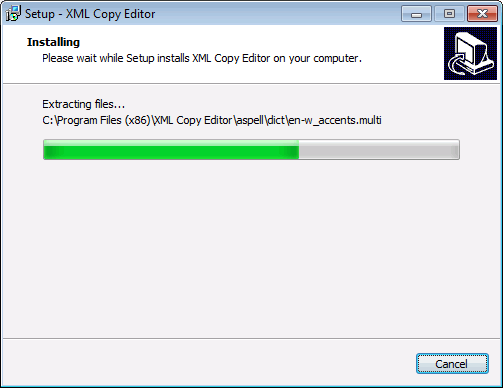
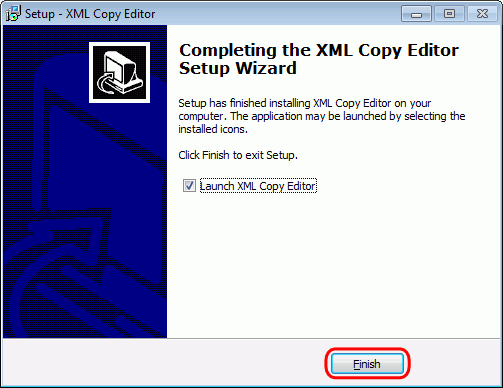
XML Copy Editor es un editor de documentos XML libre (GPL 2.0) y multiplataforma cuya página web es https://xml-copy-editor.sourceforge.io/.
La última versión disponible actualmente (mayo de 2023) es la versión XML Copy Editor 1.3.1.0 (del 8 de octubre de 2022). Enlace de descarga para Windows (64 bits): XML Copy Editor 1.3.1.0 (19,1 MB).
Nota: En caso de que esta versión dé problemas, se puede utilizar la versión XML Copy Editor 1.2.1.3 (del 6 de septiembre de 2014). Enlace de descarga para Windows (64 bits): XML Copy Editor 1.2.1.3 (9,5 MB).
En cdlibre.org hay una sección dedicada a editores XML libres, con información detallada sobre las últimas versiones publicadas para Windows.
Juego de caracteres
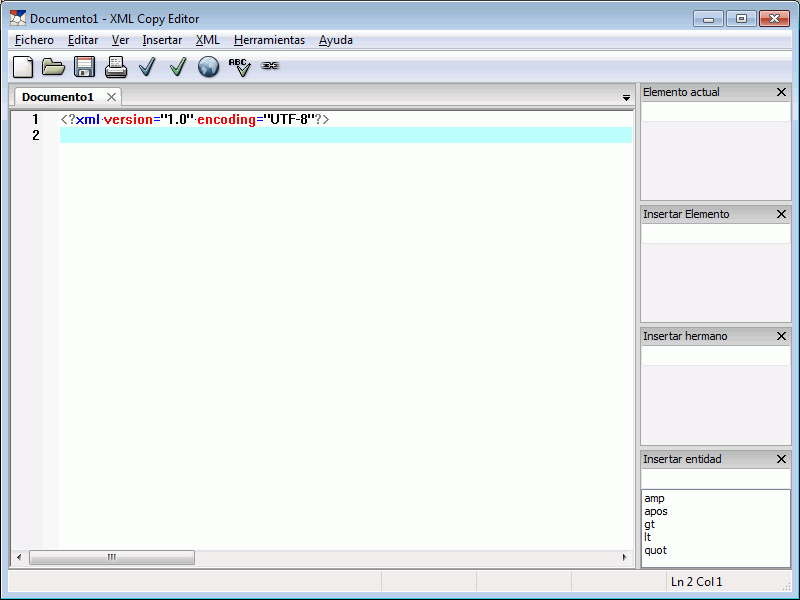
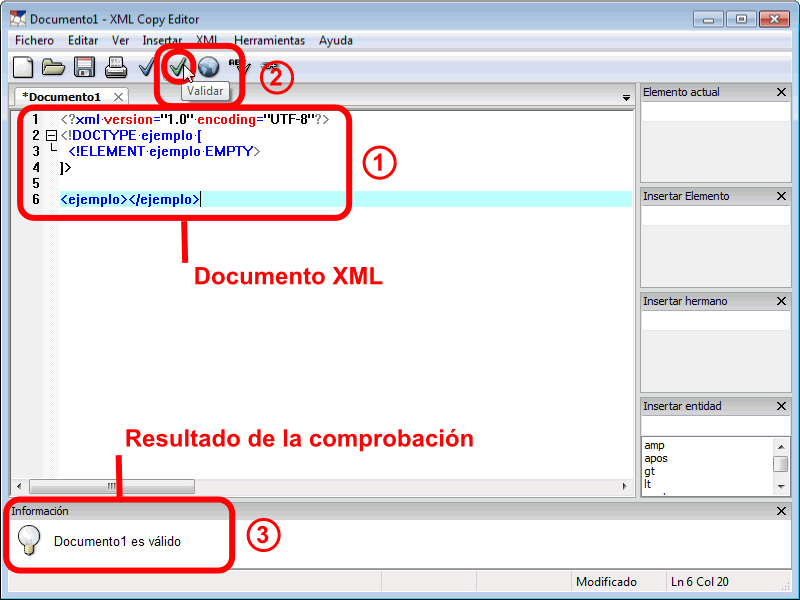
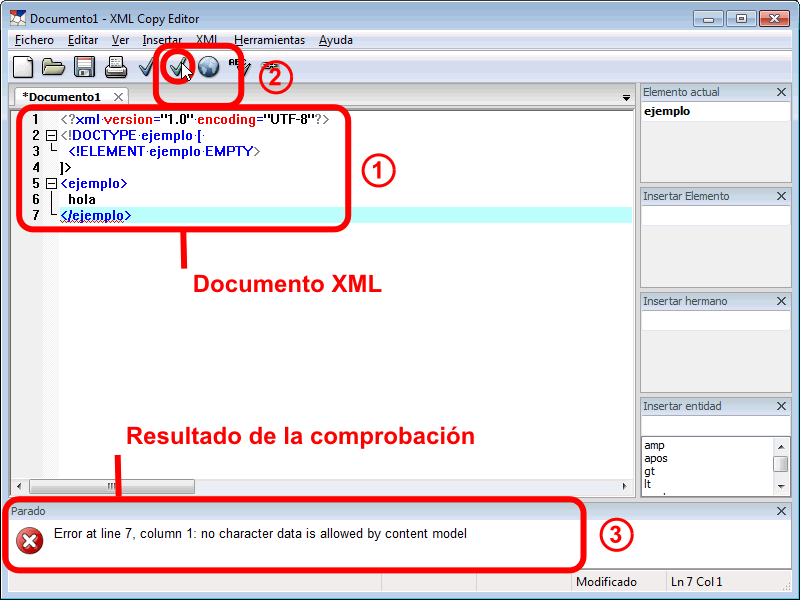
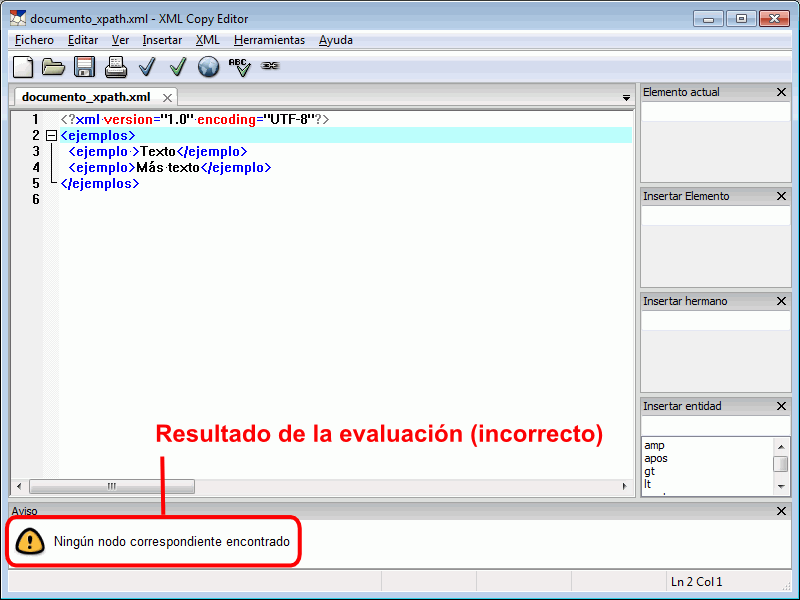
La declaración xml indica el juego de caracteres del documento. El juego de caracteres que se utiliza en este curso es UTF-8:
<?xml version="1.0" encoding="UTF-8"?>
Se pueden utilizar otros juegos de caracteres, como ISO-8859-1 (Europeo occidental):
<?xml version="1.0" encoding="ISO-8859-1"?>
Es importante que el juego de caracteres que aparece en la declaración sea el juego de caracteres en que realmente está guardado el documento, porque si no el procesador XML puede tener problemas leyendo el documento.
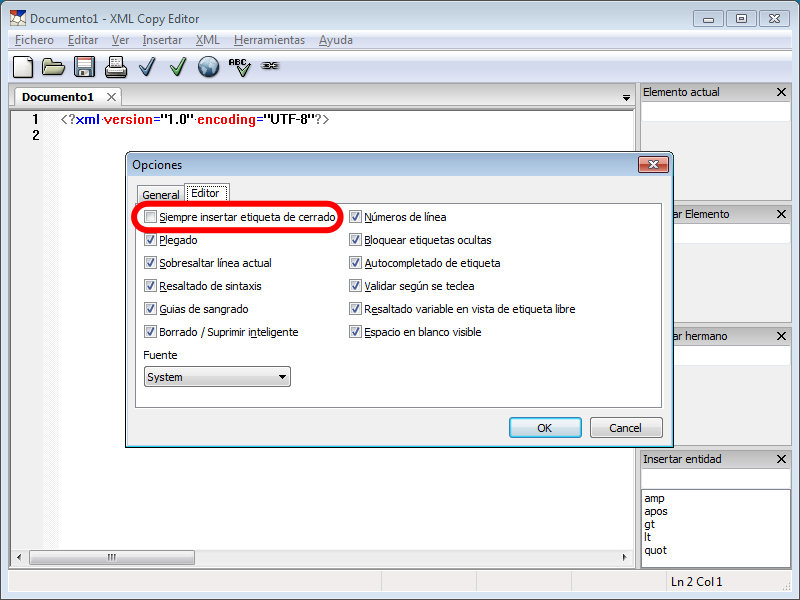
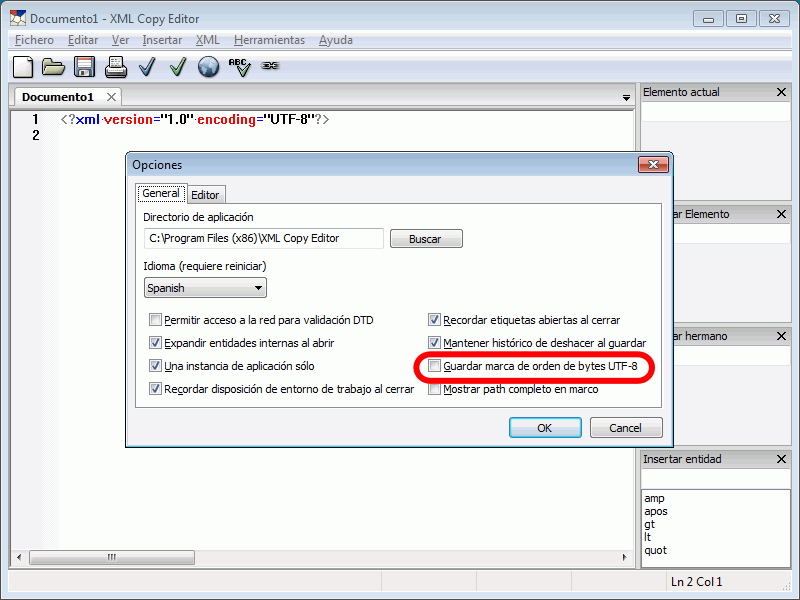
XML Copy Editor tiene en cuenta el juego de caracteres indicado en la declaración. Si se modifica la declaración, al guardar el documento se guarda en el juego correspondiente. Pero hay que tener en cuenta que otros editores, como el bloc de notas de Windows, no lo hace.
Hot Mallu Abhilasha Pics 1 !!top!! Free -
The evolution of Malayalam film is inextricably linked to the literary traditions of the region. In the mid-20th century, the industry drew heavily from the works of legendary writers like Vaikom Muhammad Basheer, Thakazhi Sivasankara Pillai, and M.T. Vasudevan Nair. This literary foundation shifted the focus from mythological fantasies to the lived experiences of the common man. Films like Neelakuyil (1954) and Chemmeen (1965) broke new ground by addressing caste discrimination and the struggles of fishing communities, setting a precedent for realism that remains a hallmark of the industry today.
Kerala’s high literacy rate and political consciousness have nurtured an audience that demands substance over style. This intellectual environment paved the way for the "New Wave" movement of the 1970s and 80s, led by visionary directors such as Adoor Gopalakrishnan and G. Aravindan. Their films moved away from commercial tropes, opting for a meditative pace and minimalist storytelling. These works often explored the psychological depths of characters and the crumbling structures of the feudal "Tharavadu" system, mirroring the societal transitions occurring in Kerala at the time.
The 1980s and 90s are often referred to as the "Golden Age" of Malayalam cinema. During this era, the industry achieved a perfect equilibrium between artistic integrity and commercial viability. Scriptwriters like Padmarajan and Lohithadas mastered the art of "middle-stream" cinema—movies that were accessible to the masses but possessed the soul of art house films. This period also saw the rise of iconic actors like Mammootty and Mohanlal, who became cultural symbols. Their performances often highlighted the nuances of the "Malayali identity," ranging from the hyper-masculine hero to the vulnerable family man burdened by societal expectations. hot mallu abhilasha pics 1 free
Religion and secularism also play a vital role in this cinematic narrative. Kerala is known for its religious harmony, and Malayalam films frequently depict the coexistence of Hindu, Muslim, and Christian communities. Festivals like Onam and Vishu, the rituals of Theyyam, and the serene backdrop of the backwaters are not just scenic elements; they are characters in their own right, grounding the stories in a specific geographical and cultural reality.
The cinematic landscape of Kerala is not merely an industry; it is a profound reflection of the state’s socio-political fabric, intellectual rigor, and aesthetic sensibilities. Malayalam cinema, often distinguished from the larger-than-life spectacle of Bollywood, has carved a unique niche by remaining deeply rooted in the soil of Kerala. To understand Malayalam cinema is to understand the heart of Kerala’s culture. The evolution of Malayalam film is inextricably linked
Furthermore, the "Gulf migration" phenomenon—a defining chapter in Kerala’s modern history—has been a recurring theme. The "pravasi" (expatriate) experience, with its themes of longing, sacrifice, and the eventual return to one’s roots, has been explored with great sensitivity in films like Pathemari and Aadujeevitham. This reflects how the industry evolves alongside the changing demographics and economic realities of its people.
Malayalam cinema serves as a living archive of Kerala’s culture. It captures the language's dialects, the lushness of the landscape, and the evolving ideologies of its citizens. By prioritizing human emotions and social truths over artificial grandeur, it remains one of the most respected and influential regional film industries in India, proving that the more local a story is, the more universal its appeal becomes. This literary foundation shifted the focus from mythological
In the last decade, a "New Gen" movement has revolutionized the industry once again. Contemporary filmmakers like Lijo Jose Pellissery, Dileesh Pothan, and Mahesh Narayanan are pushing boundaries with experimental narratives and technical brilliance. Films such as Kumbalangi Nights and The Great Indian Kitchen have gained international acclaim for their searing critiques of patriarchy and domesticity within the Kerala household. These films demonstrate that while the medium has modernized, the commitment to social commentary remains unchanged.