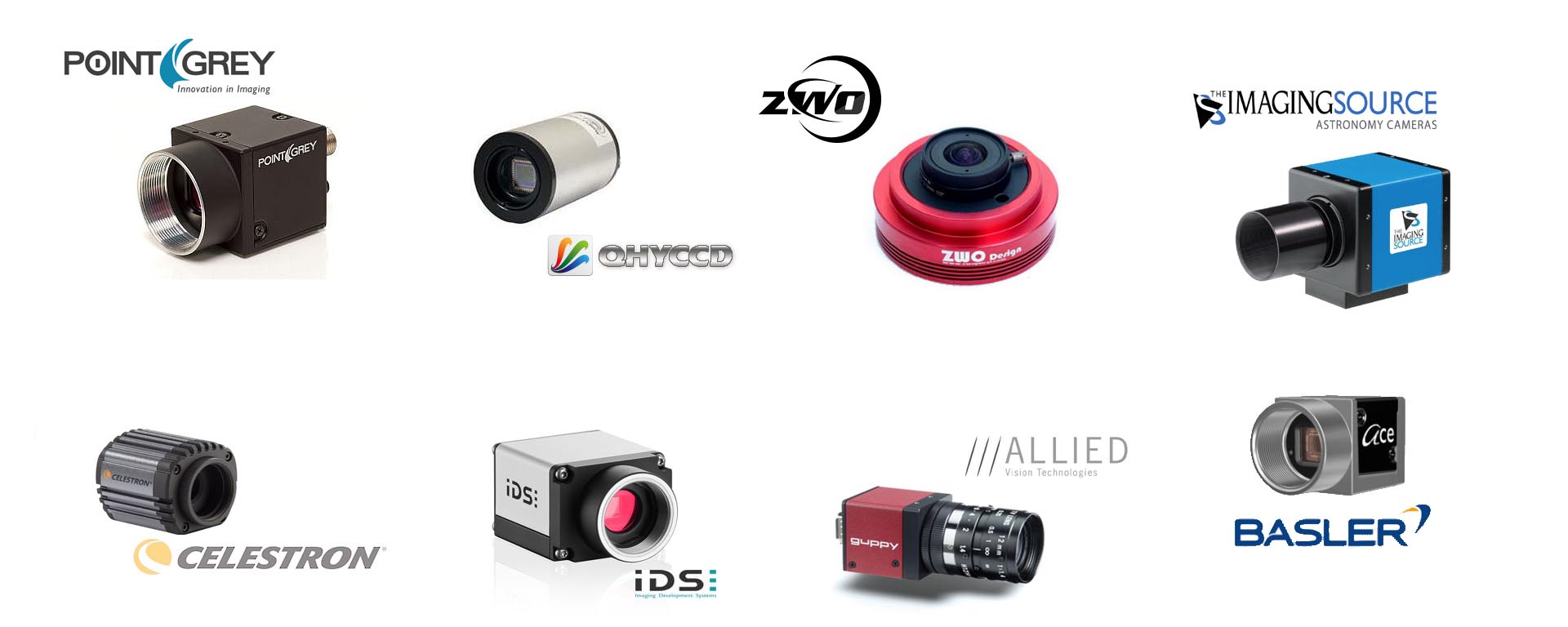
Raspberry support for FireCapture v2.6 and ZWO cameras !
| Compatibility |  FC v2.7.15 (x64) |
 FC v2.7.15 (x64) |
 FC v2.7.15 (x64) |
FC v2.7.15 (aarch64) |
|
|---|---|---|---|---|---|
 Altair Altair |
 |
 |
|
|
|
 ASCOM ASCOM |
 |
|
|||
 Basler Basler |
|
|
|||
 FLIR/FlyCap FLIR/FlyCap |
 |
|
|||
| FLIR/Spinnaker |
|
|
|||
 LUCID LUCID |
|
|
|||
 NexImage NexImage |
|
|
|||
 OGMA OGMA |
|
|
|
|
|
 PlayerOne PlayerOne |
|
|
|
|
|
 QHY QHY |
|
|
|
|
|
 Skyris Skyris |
|
|
|||
 SVBony SVBony |
|
|
|
|
|
 TIS
TIS |
|
|
|||
 Touptek/Omegon Touptek/Omegon |
|
|
|
|
|
 ZWO ASI ZWO ASI |
 |
|
|
|
|
Older Versions
Developing software is mostly fun, but it also takes up nearly all of my spare time. If you find FireCapture useful and would like to support me in continuing development you're welcome to donate a small amount of your choice.


A signature "glow" that makes ordinary street scenes feel ethereal.
Previously, a Kingpouge Laika print would be a rare find in a high-end Tokyo boutique gallery. Today, the "free new" movement in the photography community aims to democratize art, allowing students and fans to study Saimon’s composition and lighting without the barrier of a gallery wall.
The collection represents a specific era of Saimon’s career—one where she experimented with high-contrast monochrome and the interplay of urban decay against the softness of the human form. The "12/78" likely refers to a specific exhibition or a limited-run folio that captured twelve distinct subjects across seventy-eight frames, a structured yet chaotic exploration of time. Breaking Down the "Laika 12/78" Collection
For those searching for the , the collection is often described as a journey through a dreamscape. Saimon’s use of the "Kingpouge" technique—a rumored proprietary or experimental film processing method—results in:
Hiromi Saimon has long been celebrated for her ability to find the "ghost in the machine." Her work typically bypasses the clinical perfection of modern digital sensors in favor of grain, light leaks, and raw emotional resonance.
Instead of freezing time, Saimon’s 12/78 photos seem to vibrate with the movement of the city. The "Free New" Digital Archive Craze
Shadows that feel infinite, stripping away unnecessary detail.
In the niche world of experimental photography, few names evoke as much curiosity as . Recently, a digital resurgence centered around the keyword "kingpouge laika 12 78" has sent enthusiasts searching for what appears to be a lost or newly unearthed collection of Saimon’s work. But what exactly is the Laika 12/78 series, and why is the photography world suddenly clamoring for these "free new" glimpses into her portfolio? The Aesthetic of Hiromi Saimon
Whether you are a long-time follower of Hiromi Saimon or a newcomer drawn in by the viral "Kingpouge" trend, the Laika 12/78 series is a cornerstone of contemporary experimental photography. As these images continue to surface online, they serve as a potent reminder of the power of the still image to haunt, inspire, and provoke.
The sudden spike in searches for "free new" photos by Hiromi Saimon stems from a recent digital archiving project. Several independent galleries have begun digitizing Saimon’s older film negatives, making them accessible to a global audience for the first time.
A signature "glow" that makes ordinary street scenes feel ethereal.
Previously, a Kingpouge Laika print would be a rare find in a high-end Tokyo boutique gallery. Today, the "free new" movement in the photography community aims to democratize art, allowing students and fans to study Saimon’s composition and lighting without the barrier of a gallery wall.
The collection represents a specific era of Saimon’s career—one where she experimented with high-contrast monochrome and the interplay of urban decay against the softness of the human form. The "12/78" likely refers to a specific exhibition or a limited-run folio that captured twelve distinct subjects across seventy-eight frames, a structured yet chaotic exploration of time. Breaking Down the "Laika 12/78" Collection A signature "glow" that makes ordinary street scenes
For those searching for the , the collection is often described as a journey through a dreamscape. Saimon’s use of the "Kingpouge" technique—a rumored proprietary or experimental film processing method—results in:
Hiromi Saimon has long been celebrated for her ability to find the "ghost in the machine." Her work typically bypasses the clinical perfection of modern digital sensors in favor of grain, light leaks, and raw emotional resonance. The collection represents a specific era of Saimon’s
Instead of freezing time, Saimon’s 12/78 photos seem to vibrate with the movement of the city. The "Free New" Digital Archive Craze
Shadows that feel infinite, stripping away unnecessary detail. stripping away unnecessary detail.
In the niche world of experimental photography, few names evoke as much curiosity as . Recently, a digital resurgence centered around the keyword "kingpouge laika 12 78" has sent enthusiasts searching for what appears to be a lost or newly unearthed collection of Saimon’s work. But what exactly is the Laika 12/78 series, and why is the photography world suddenly clamoring for these "free new" glimpses into her portfolio? The Aesthetic of Hiromi Saimon
Whether you are a long-time follower of Hiromi Saimon or a newcomer drawn in by the viral "Kingpouge" trend, the Laika 12/78 series is a cornerstone of contemporary experimental photography. As these images continue to surface online, they serve as a potent reminder of the power of the still image to haunt, inspire, and provoke.
The sudden spike in searches for "free new" photos by Hiromi Saimon stems from a recent digital archiving project. Several independent galleries have begun digitizing Saimon’s older film negatives, making them accessible to a global audience for the first time.
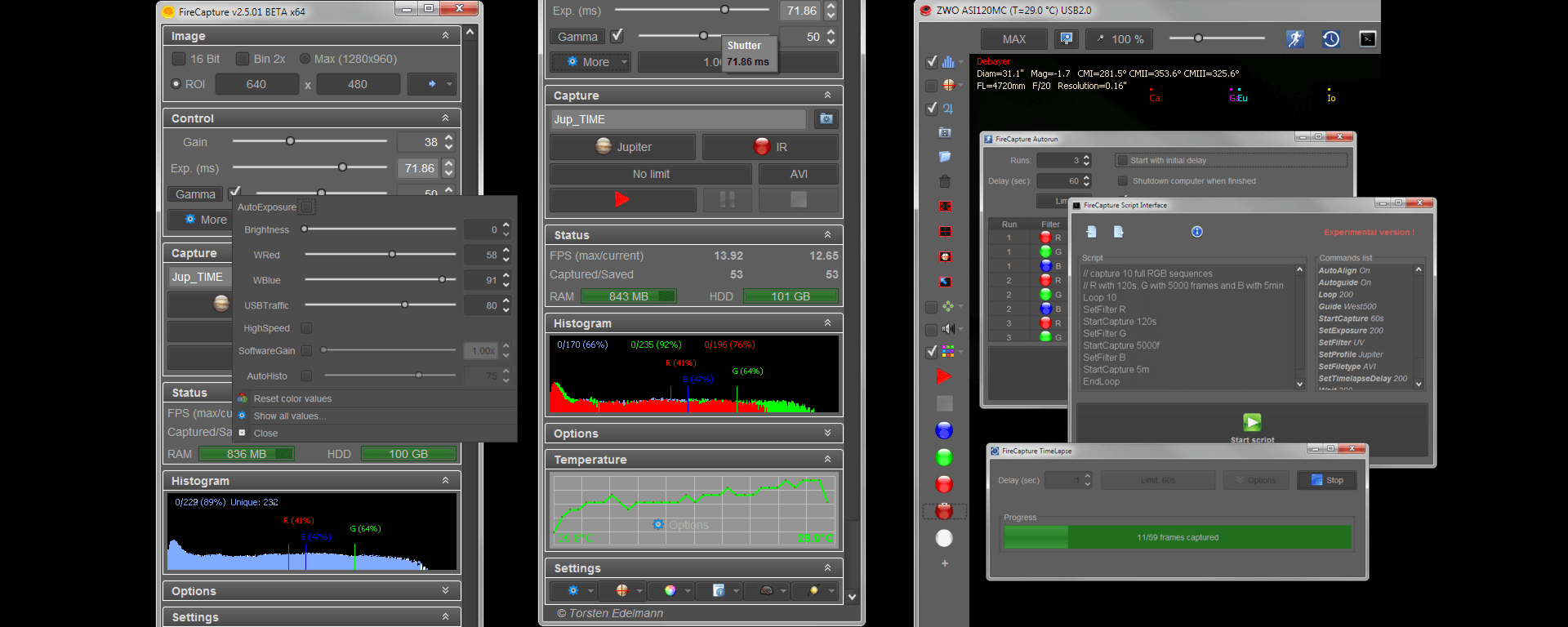
It was back in 2008 when I got hold of a SONY newsletter announcing a new CCD sensor (ICX618) which promised fantastic sensitivity. Still working with an old webcam those days I instantly had the idea of replacing the webcam sensor with the new SONY sensor. It took weeks and dozens of emails to get the confidential spec of the new sensor. When I saw the sensitivity values it was clear: I had to have this sensor! The Basler Scout scA640 was the first machine vision camera on the market using this sensor and when I bought it the nightmare began: the included software was useless for planetary imaging and running the camera with the VRecord webcam tool was a complete PITA. Bugged by the inability to store even the basic camera settings I decided developing my own capture software.
What started as a solely private project soon turned into higher gear when fellow astronomers saw the software and insisted on getting it. I decided to make it public, included new camera interfaces and after years of continuous development FireCapture has evolved to one of the leading planetary capture tools. Developing the thing is only one part of the story: with a supportive community of users behind me I always had the feeling of someone 'looking over my shoulder' during the countless hours of programming. I can't mention all but just want to say:
Thank you guys !