Sign up on here if you don't have your mobile handy
You are going to create a patient management account. This account is designed to give your patients access to CogniFit evaluations and training.
You are going to create a research account. This account is specially designed to help researchers with their studies in the cognitive areas.
You are going to create a student management account. This account is designed to give your students access to CogniFit evaluations and training.
You are going to create a family account. This account is designed to give your family members access to CogniFit evaluations and training.
You are going to create a company management account. This account is designed to give your employees access to CogniFit evaluations and training.
You're setting up your trainer account. With it, you’ll be able to invite your group and guide them through CogniFit evaluations and training activities.
For personal use
I'm a health professional
For my family
I'm an educator
I'm a researcher
Employee Wellbeing
Developers
I’m a coach or sports professional
For users 16 years and older. Children under 16 can use CogniFit with a parent on one of the family platforms.
By clicking Sign Up or using CogniFit, you are indicating that you have read, understood, and agree to CogniFit's Terms & Conditions and Privacy Policy.
Scan the below QR with your phone to register through our mobile app for the ultimate convenience and access on-the-go!
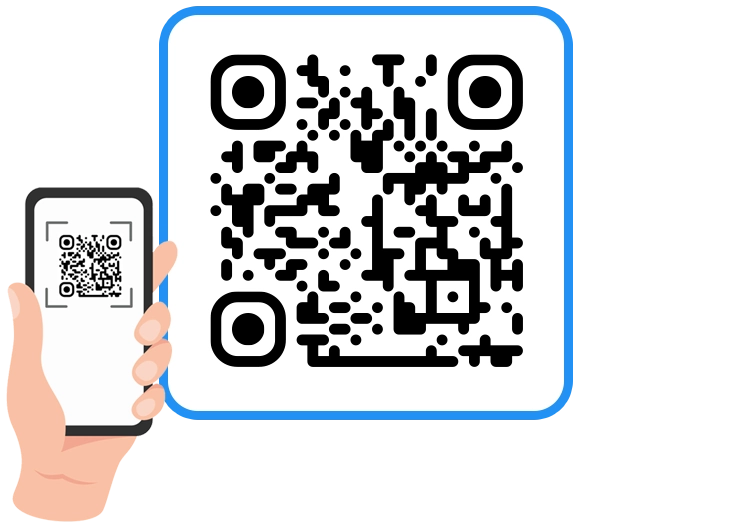
If you don't have your mobile handy sign up on here
Download our app to enjoy a good experience on this device


If you don't have your mobile handy sign up on here

 United States