Rimu Endo and Misaki Ueno are names often associated with a specific niche of Japanese ASMR and relaxation content. When paired with keywords like hypnose and education on platforms like YouTube, these terms typically refer to role-play videos designed to induce a state of deep relaxation or "trance" for stress relief. Understanding the Creators
Tags like "Educ" (Education) are often used by uploaders to bypass strict algorithm filters or to categorize the content as a "how-to" guide for meditation. The Appeal of Japanese ASMR
Delivering scripts in a gentle, calming tone to trigger ASMR (Autonomous Sensory Meridian Response). Rimu Endo- Misaki Ueno.wmv Hypnose Youtube Educ
Helping the listener clear their mind after a stressful day.
The scripts are written to make the listener feel like the sole focus of the performer's attention. Rimu Endo and Misaki Ueno are names often
Never listen to "hypnose" or deep relaxation content while operating machinery.
Rimu Endo and Misaki Ueno are prominent figures in the Japanese voice acting and ASMR community. Their work frequently involves: The Appeal of Japanese ASMR Delivering scripts in
Using repetitive sounds and gentle commands to help the listener fall asleep.
The popularity of creators like Endo and Ueno stems from high production standards in the Japanese voice-acting industry.
Creating a "classroom" setting where the listener is "taught" relaxation techniques or linguistics. Why "WMV" and "Youtube Educ"?

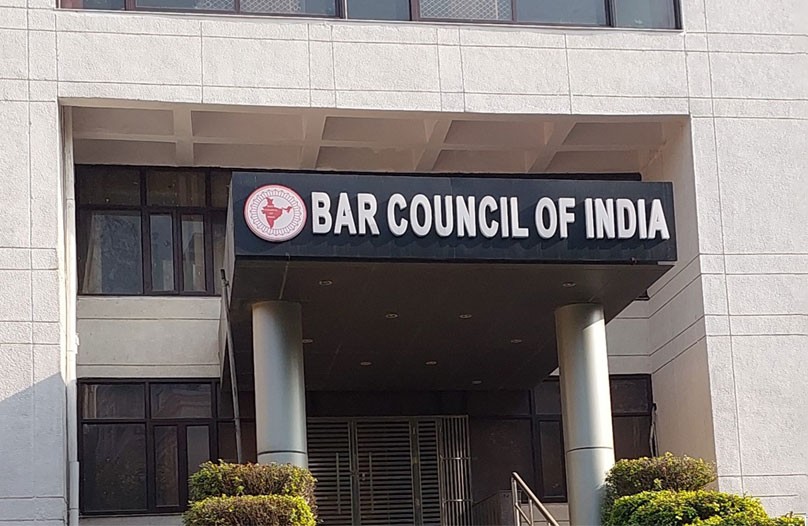
The statutory powers and functions of the BCI as conferred by means of the Advocates Act, 1961 as well as the BCI Rules are two fold;
First, to supervise the centres of legal education functioning all over the country and the students enrolled therein, inter-alia by laying down the standards of curriculum, standards of infrastructure, number and qualification of faculties, recognition of centres of legal education (Law Schools/Colleges) based upon the standards laid down by BCI and;
Secondly, to prescribe a uniform qualification for the admission of persons to be advocates and to further regulate the entry and over all conduct of Advocates in the profession by laying down standards of professional conduct and etiquettes for advocates.