Create Your Marriage Biodata
Create and download a beautiful biodata for marriage within minutes.
Customize, download, and print - it's easy to use, quick, and classy.
The original event, often referred to as the first "Fappening" in 2014, targeted hundreds of celebrities through the exploitation of cloud storage vulnerabilities. Since then, the term "2.0" has been used by various online communities to describe subsequent waves of leaks or the resurfacing of older, illegally obtained content. For Emily Ratajkowski, who has built a massive global brand around her image and her advocacy for body autonomy, these breaches represent a direct violation of her professional and personal rights. The updates surrounding these leaks often involve the takedown of unauthorized hosting sites and the legal pursuit of individuals who distribute the content.
The legal landscape regarding non-consensual imagery has evolved significantly since the early 2010s. In many jurisdictions, the distribution of private images obtained through hacking is classified as a serious criminal offense, often falling under "revenge porn" or cyber-harassment laws. Law enforcement agencies and cybersecurity firms have become more adept at tracking the digital footprints of hackers. For celebrities like Ratajkowski, legal teams are constantly monitoring the web to issue DMCA takedown notices and pursue litigation against platforms that profit from stolen data. These updates serve as a reminder that the internet is not a lawless vacuum, and there are severe consequences for violating digital privacy. The Fappening 2.0 - Emily Ratajkowski - -Updates-
Beyond the legal battle, there is a profound cultural conversation happening about the ethics of consumption. Emily Ratajkowski has been vocal about the "commodification" of the female body. In her writings and interviews, she has explored the paradox of being a woman who chooses to pose for professional photography while simultaneously having her private life invaded. The "Updates" often sought by the public regarding these leaks frequently ignore the human element—the fact that behind every headline is an individual whose trust has been compromised. The conversation is shifting toward digital consent, urging users to recognize that viewing or sharing stolen content is a form of participation in a crime. The original event, often referred to as the
In conclusion, while the keyword search for "The Fappening 2.0" and "Emily Ratajkowski" often stems from a desire for sensationalist news, the reality of the situation is a somber reflection on privacy in the 21st century. The ongoing updates are less about the images themselves and more about the evolving fight for digital rights, the strengthening of privacy laws, and the cultural shift toward respecting personal boundaries online. As we move forward, the focus remains on protecting individuals from exploitation and ensuring that the digital world becomes a safer space for everyone, regardless of their public profile. The updates surrounding these leaks often involve the
The digital age has brought with it an unprecedented level of connectivity, but it has also ushered in a complex era of privacy concerns and cybersecurity threats. One of the most significant recurring topics in this landscape is the phenomenon known as "The Fappening," a term used to describe massive, coordinated leaks of private celebrity imagery. Among the high-profile individuals frequently mentioned in these discussions is model and actress Emily Ratajkowski. Understanding the context of these events requires a careful look at the history of digital privacy breaches, the legal ramifications for those involved, and the ongoing struggle for public figures to maintain personal boundaries in the internet era.
From a cybersecurity perspective, these incidents highlight the vulnerabilities of even the most secure systems. Hackers often use phishing schemes or social engineering to gain access to passwords. Experts use these celebrity cases as cautionary tales for the general public, emphasizing the need for two-factor authentication (2FA) and encrypted storage. Updates in technology, such as biometric locks and more robust cloud encryption, are direct responses to the methods used during the Fappening era. While celebrities are primary targets due to their status, the same tactics are used against everyday individuals, making digital hygiene a universal necessity.
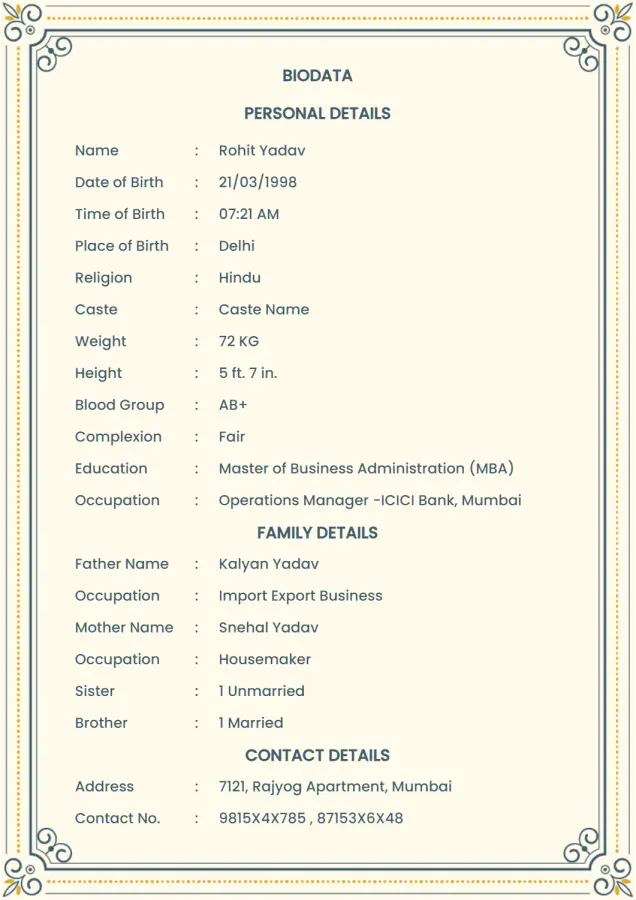
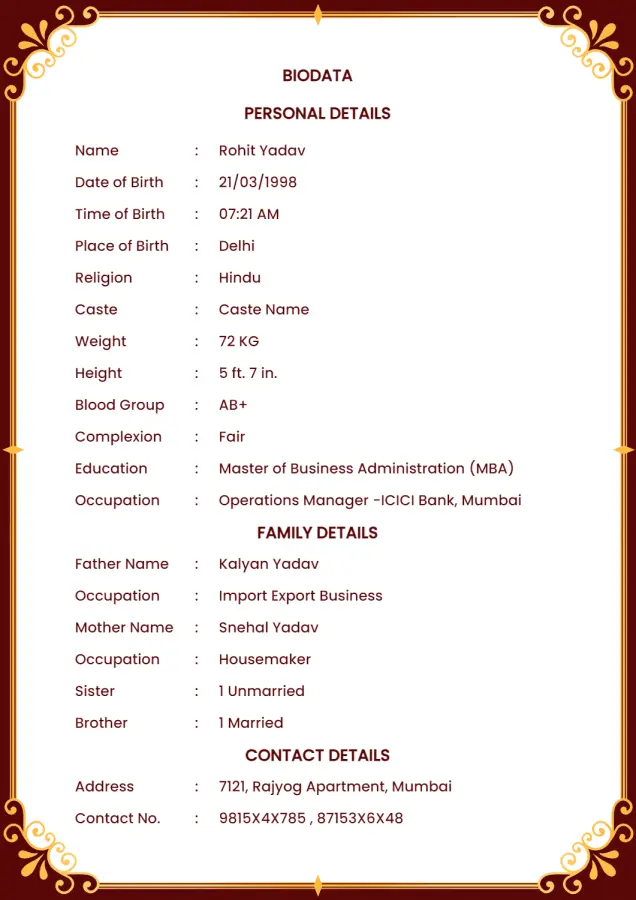
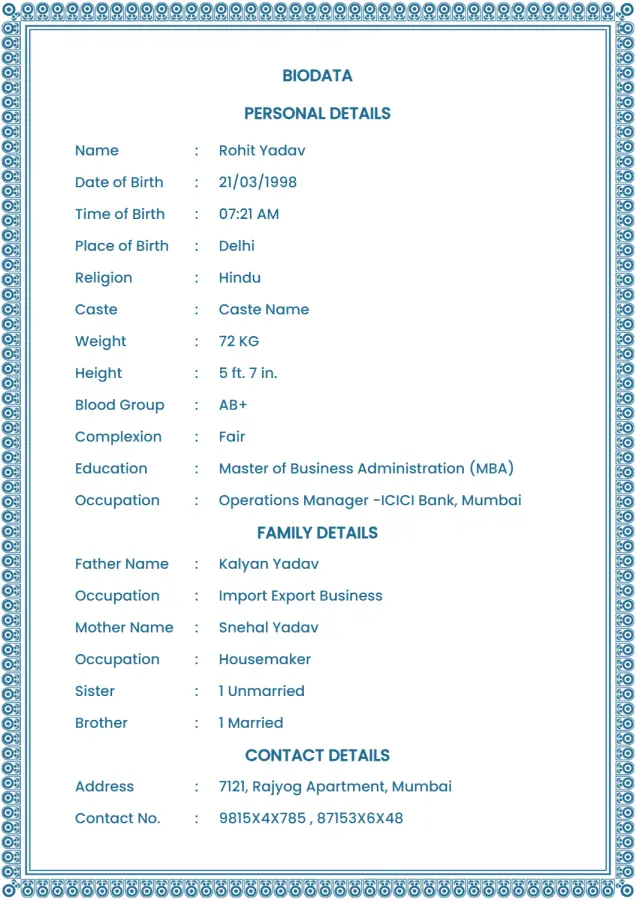
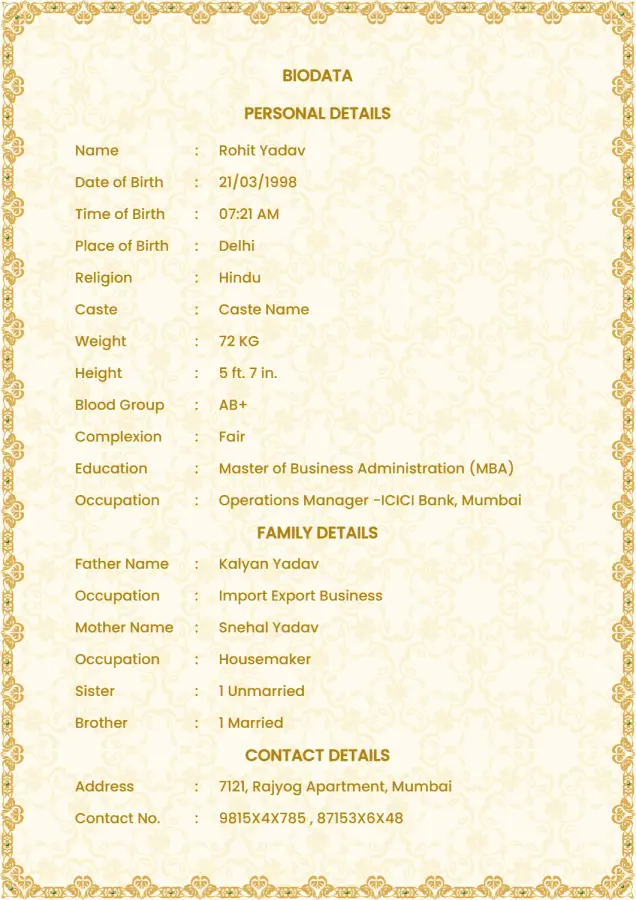
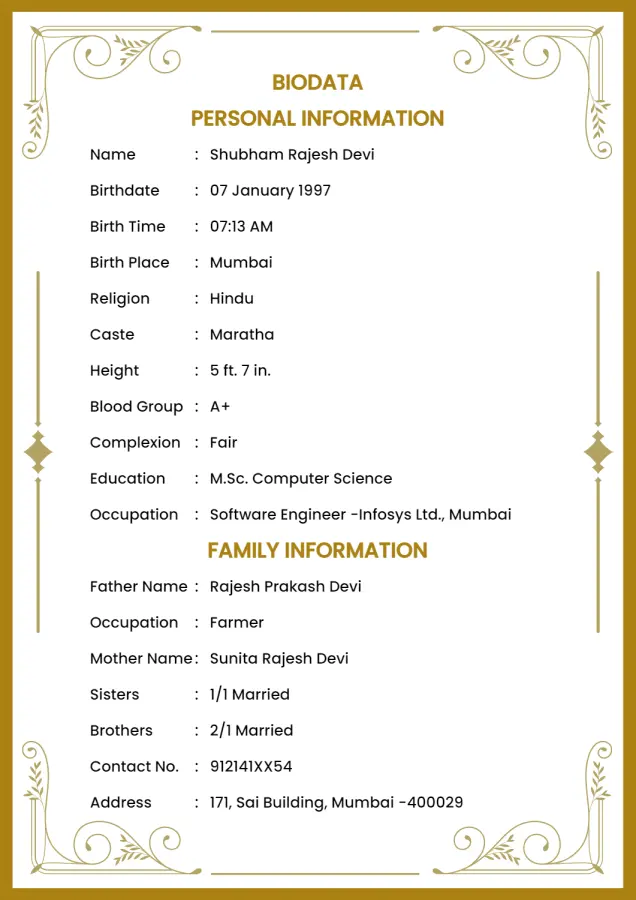
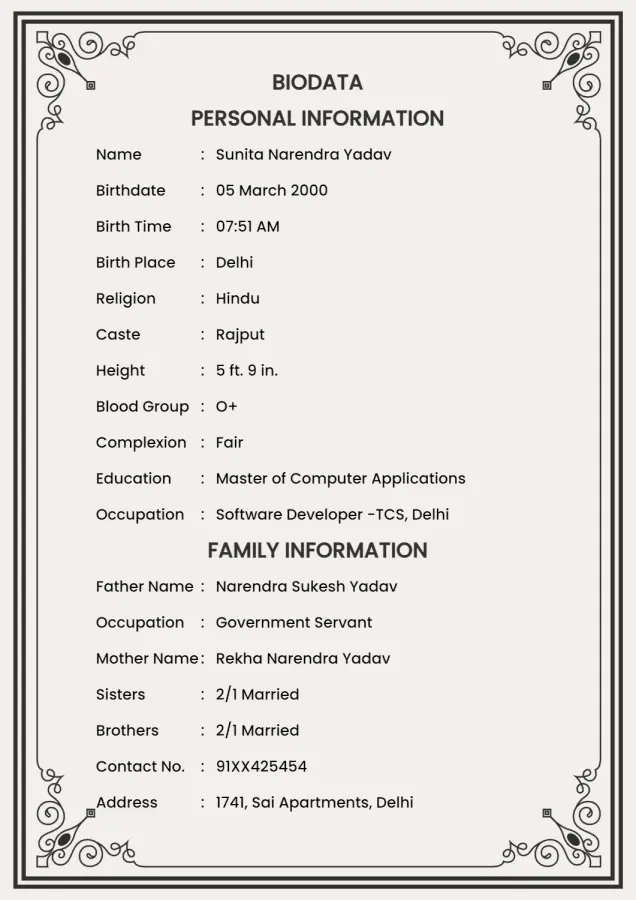
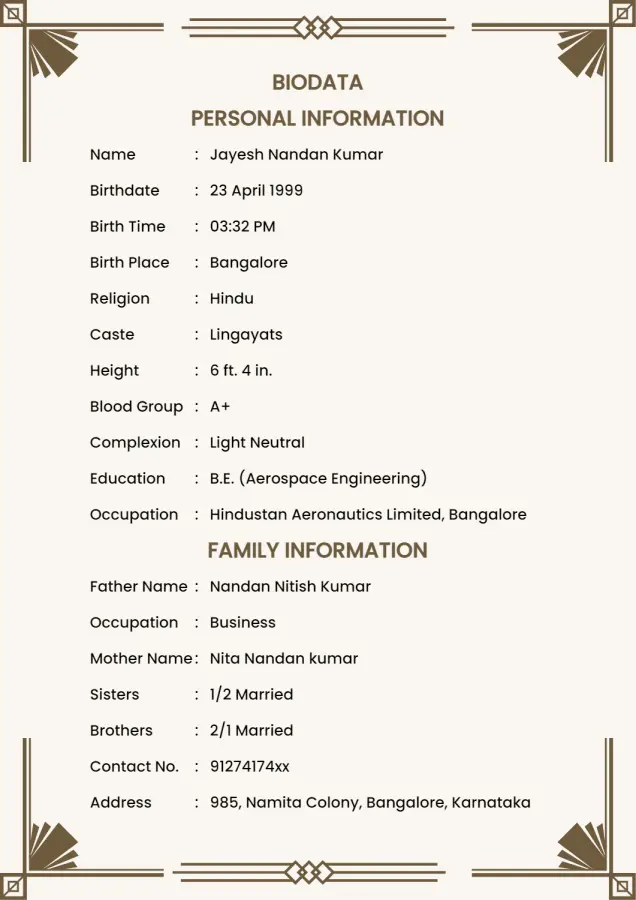
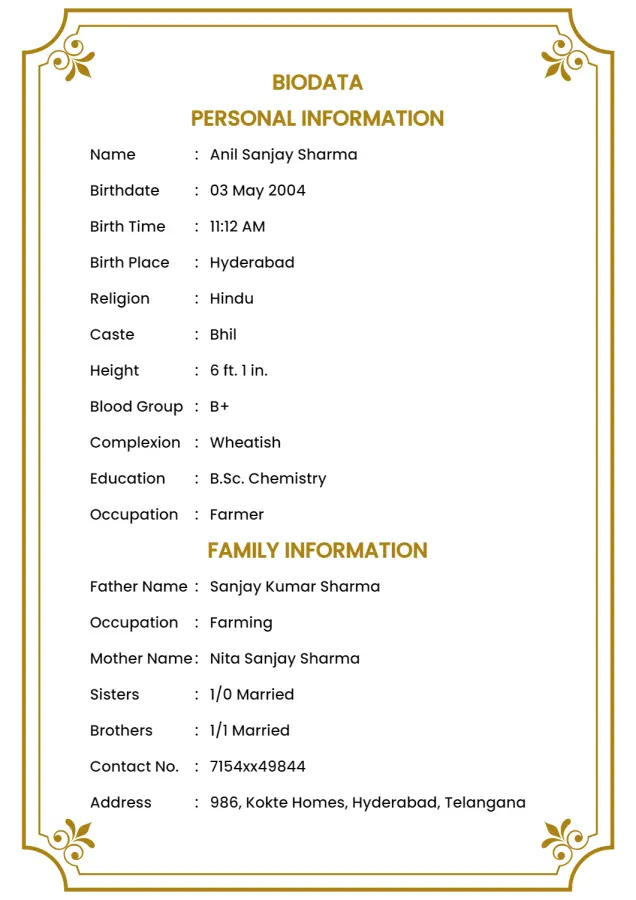
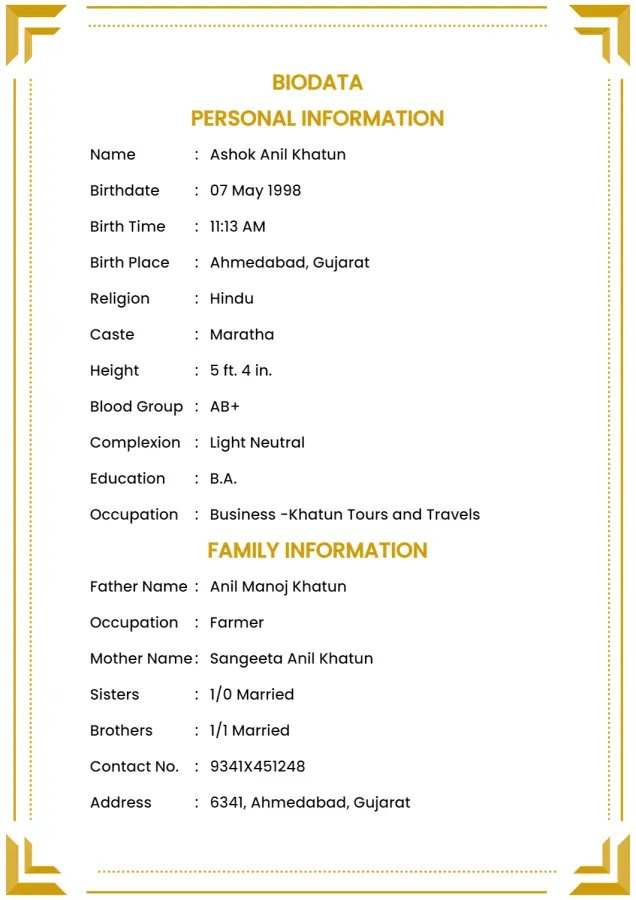
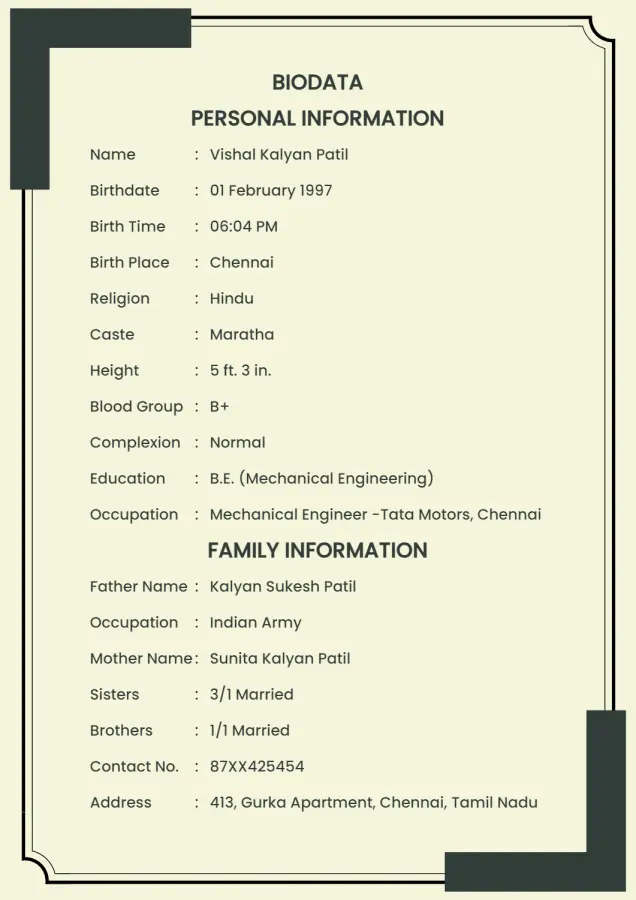
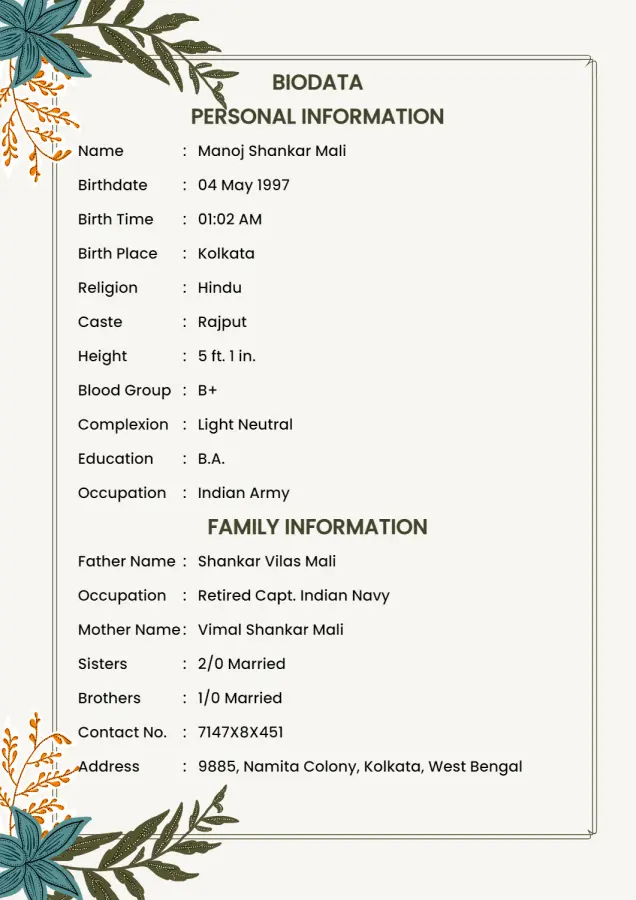
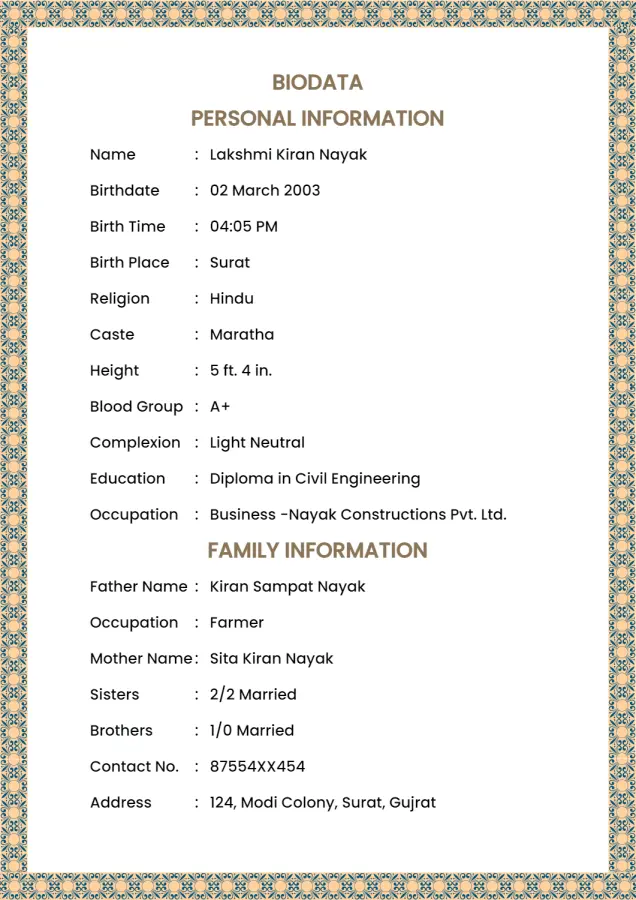
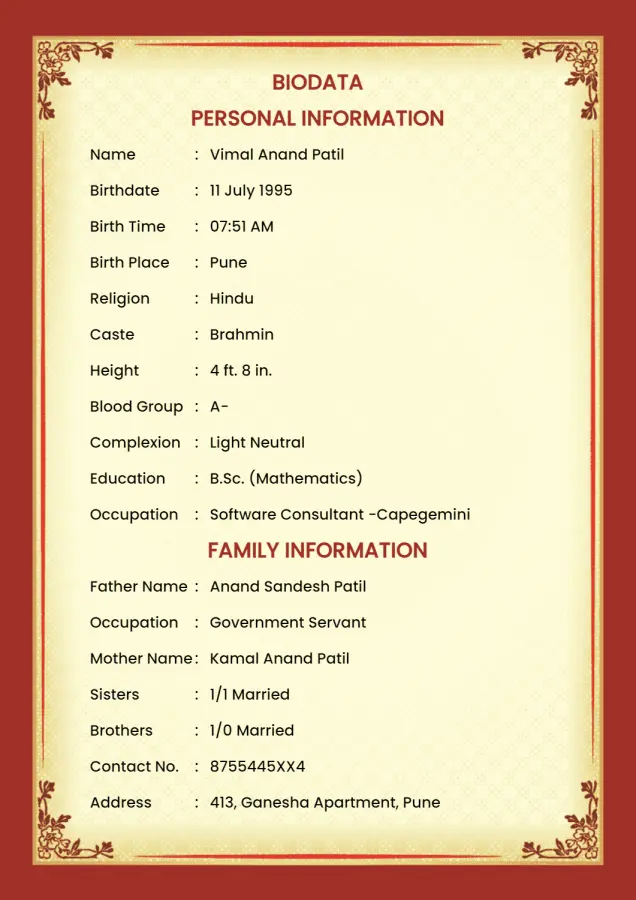
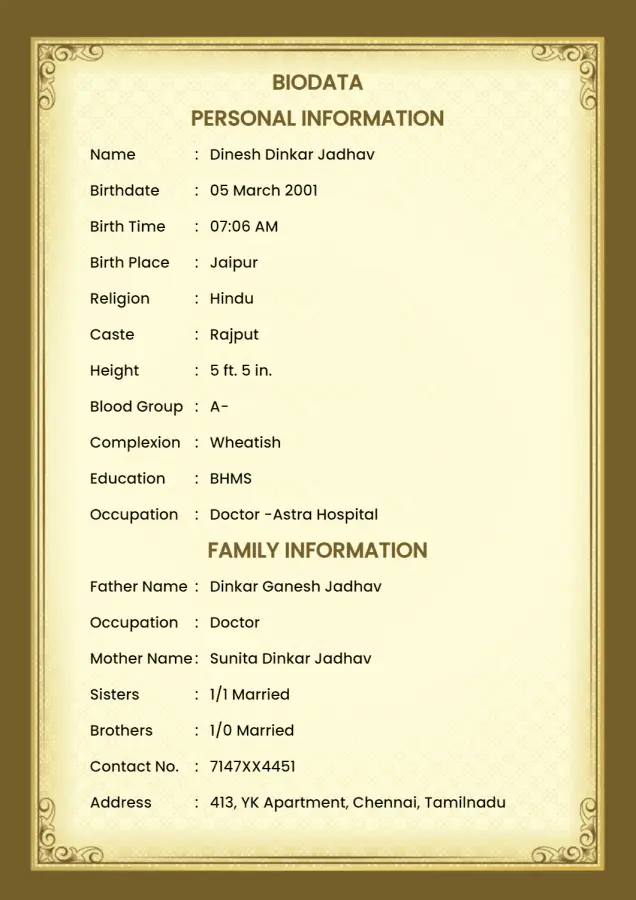
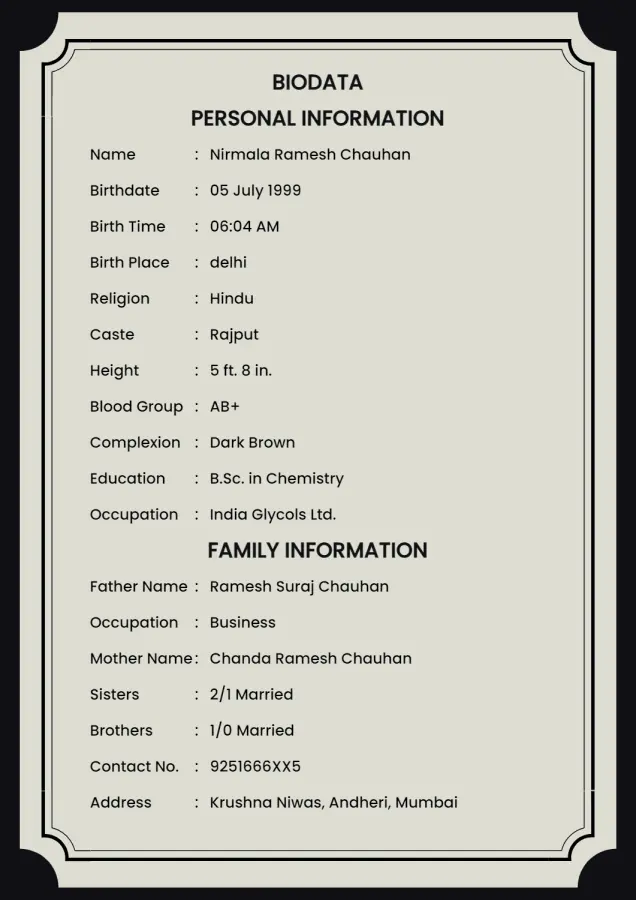
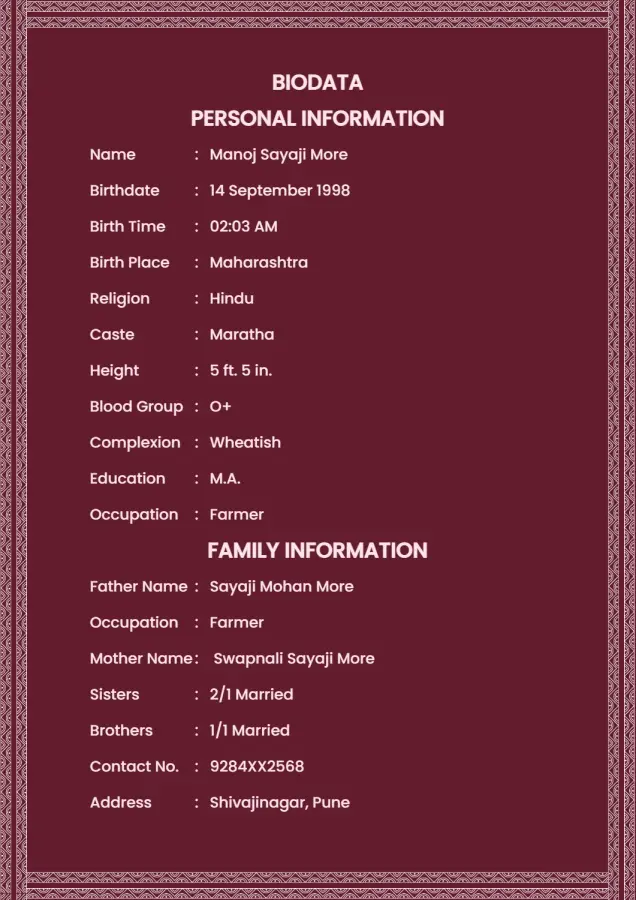
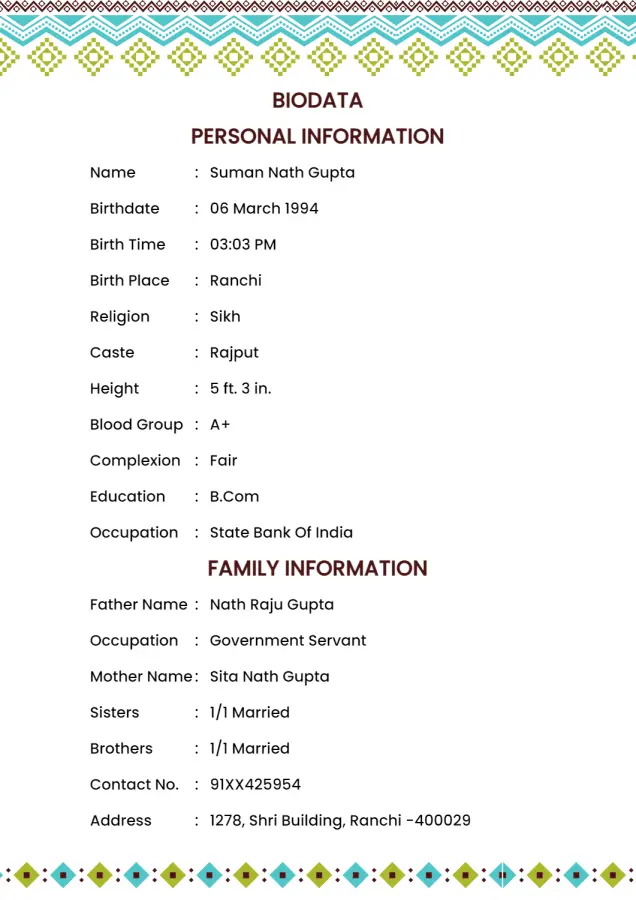
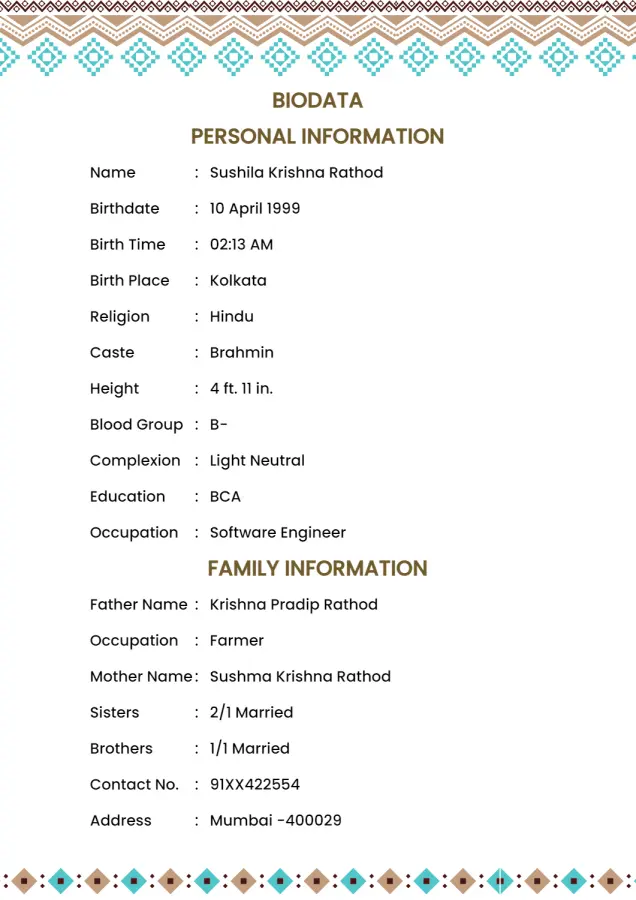
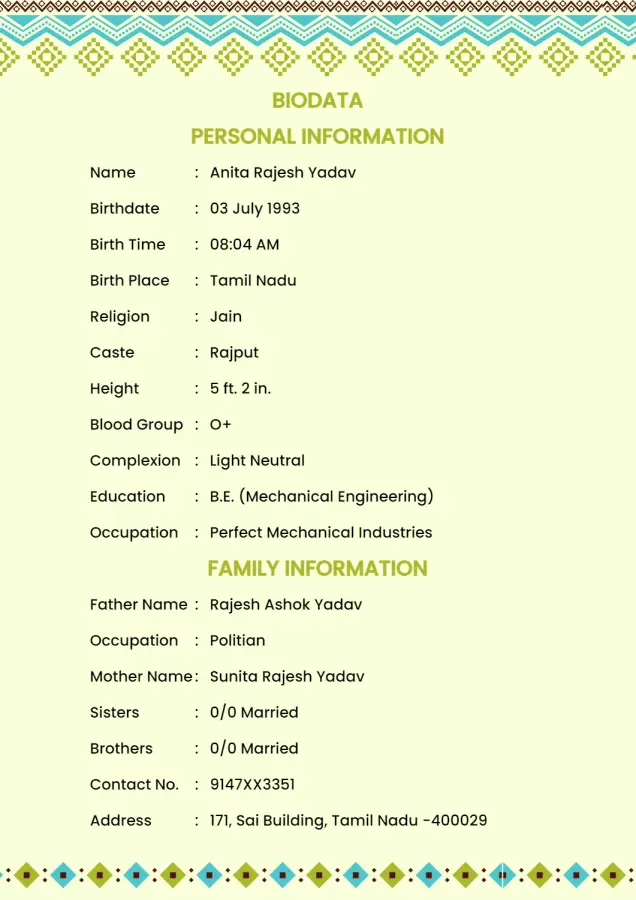
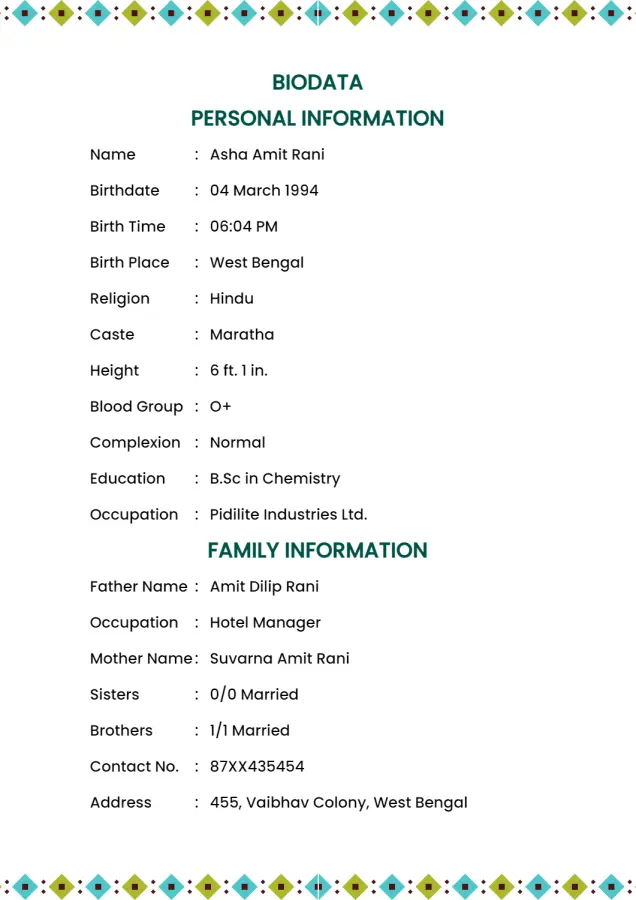
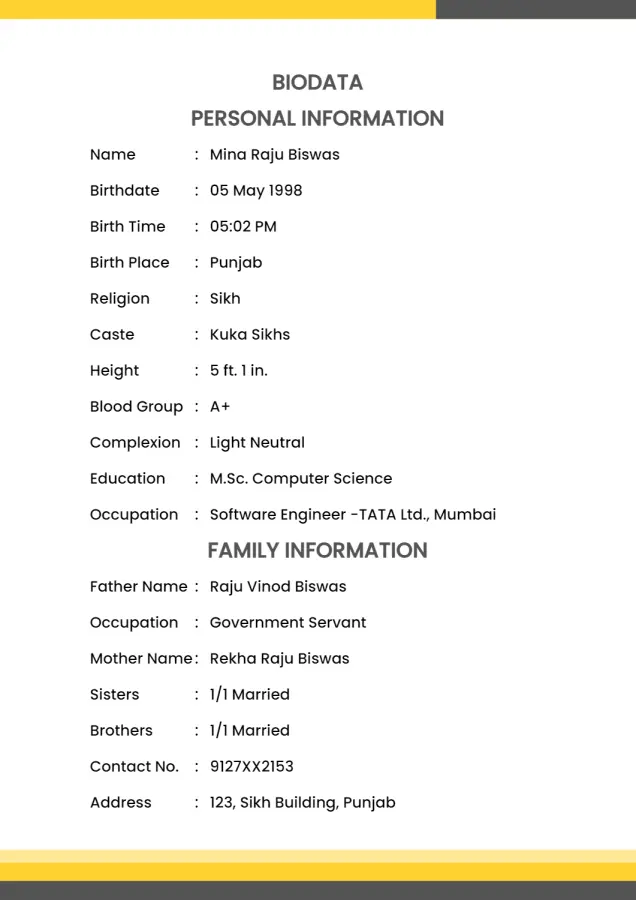
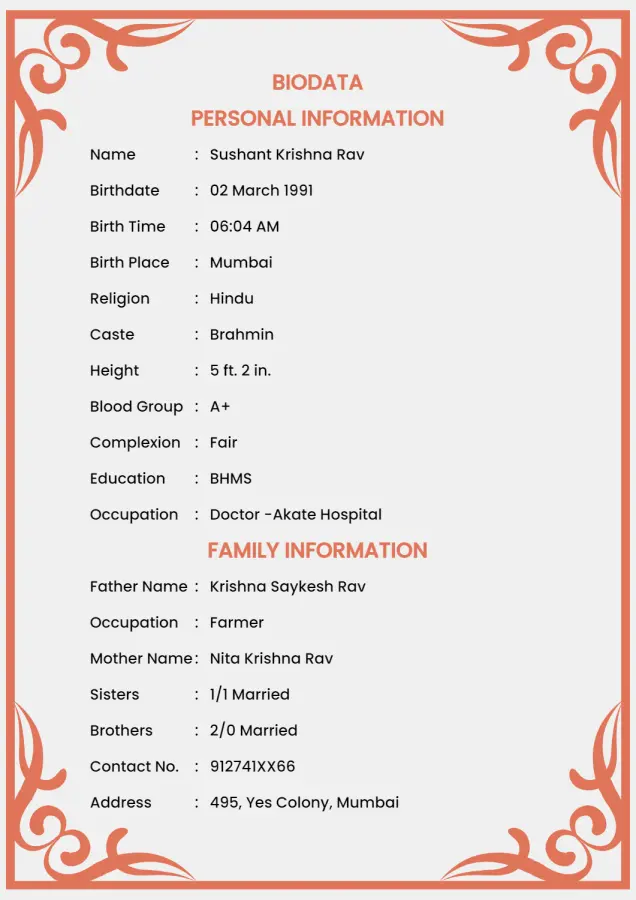
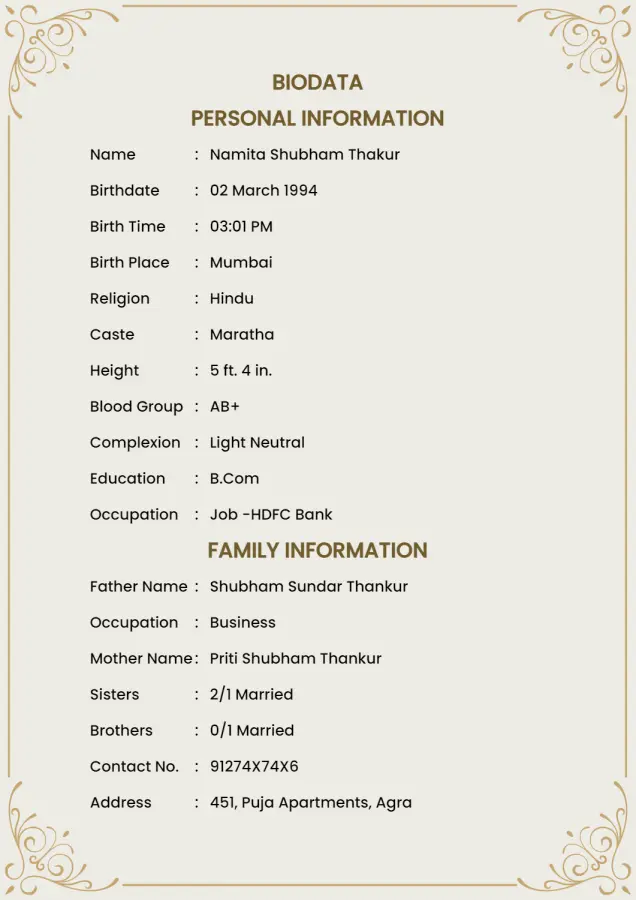
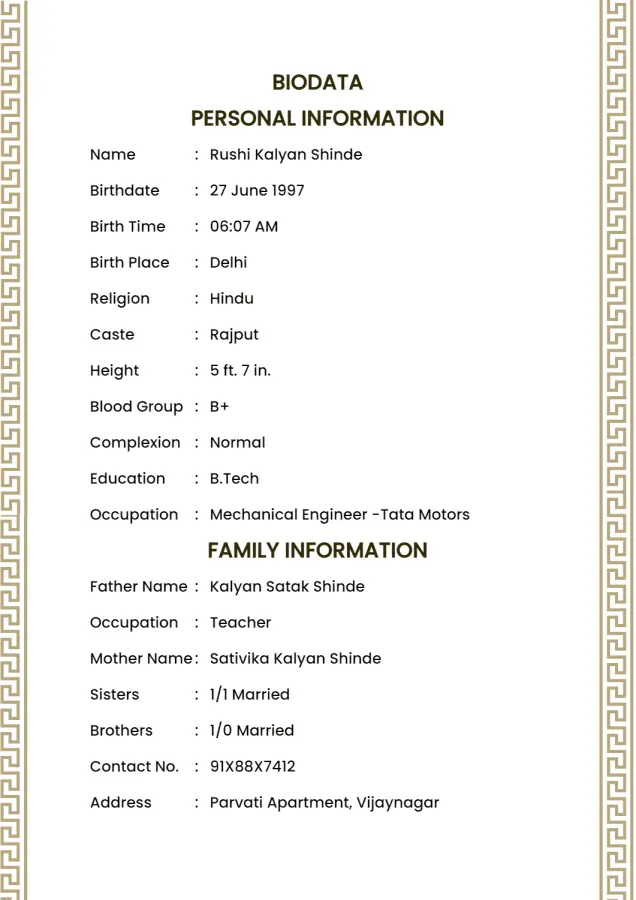
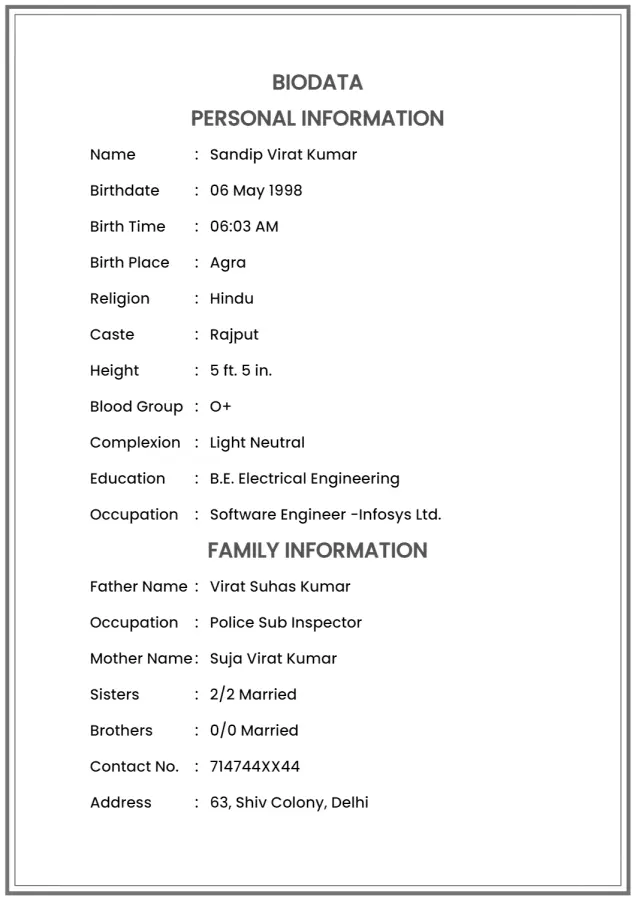
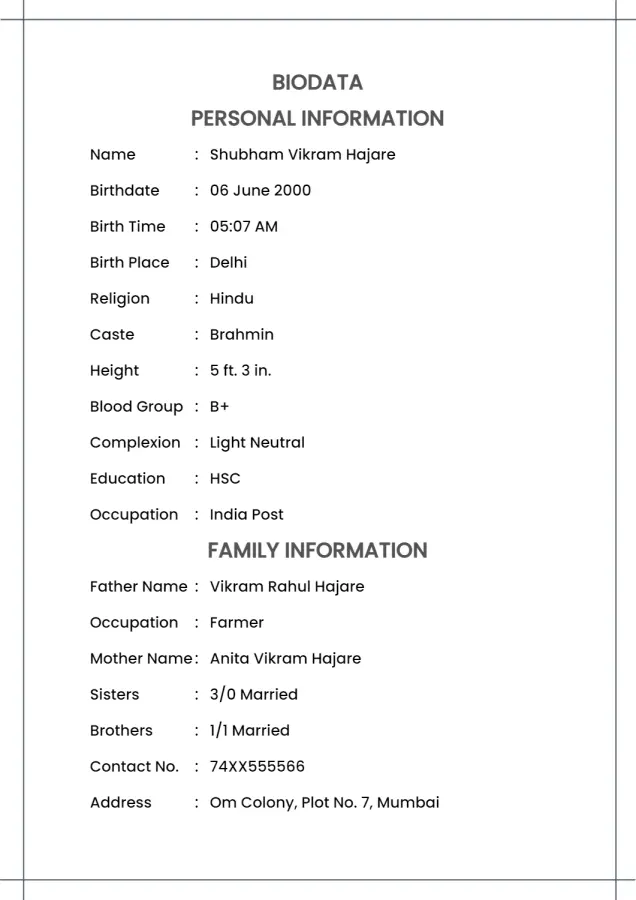
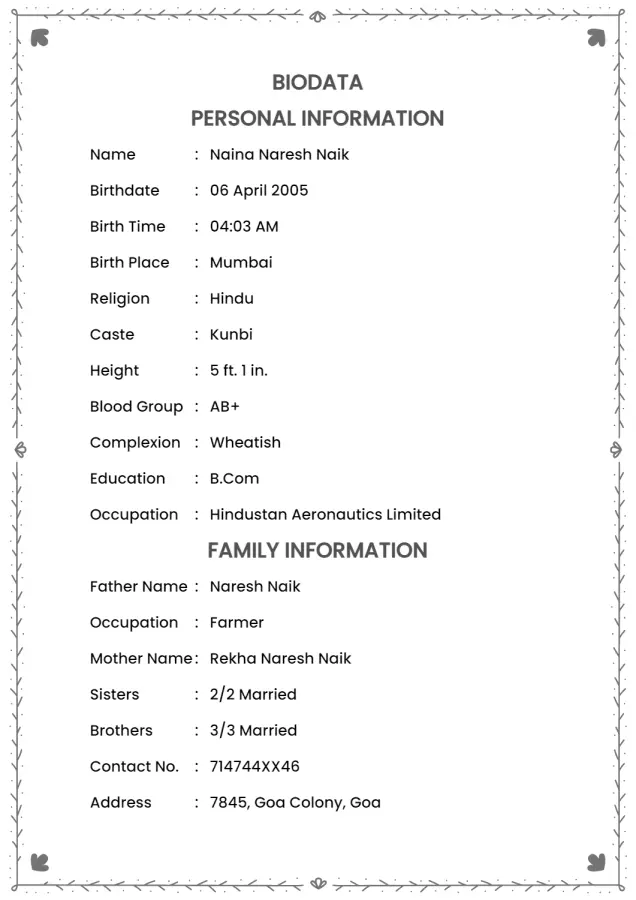
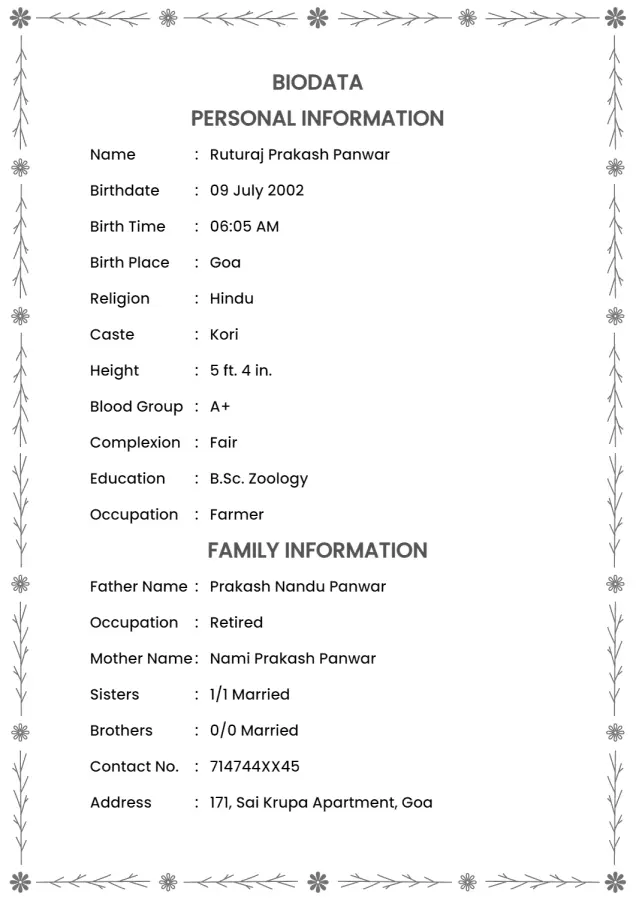
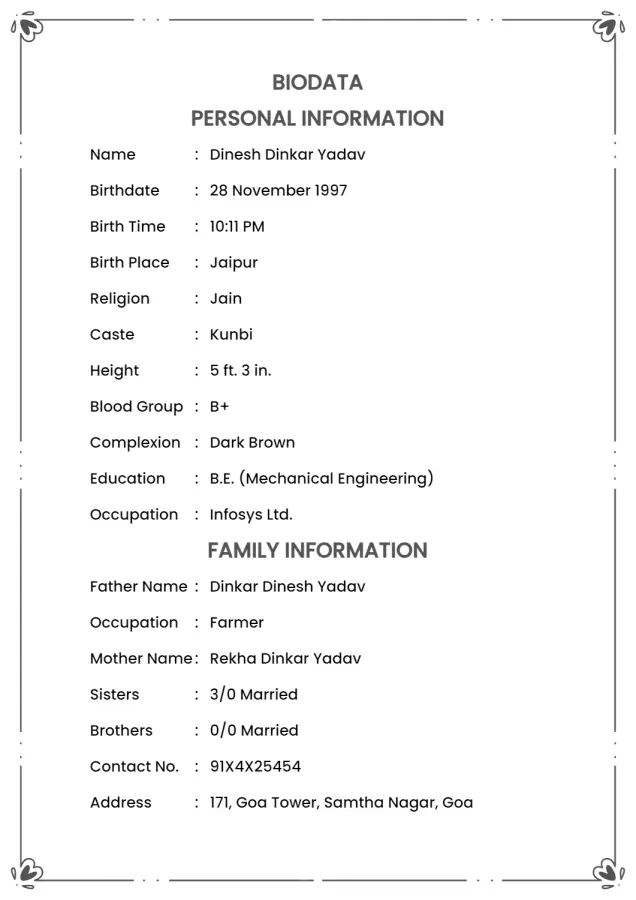
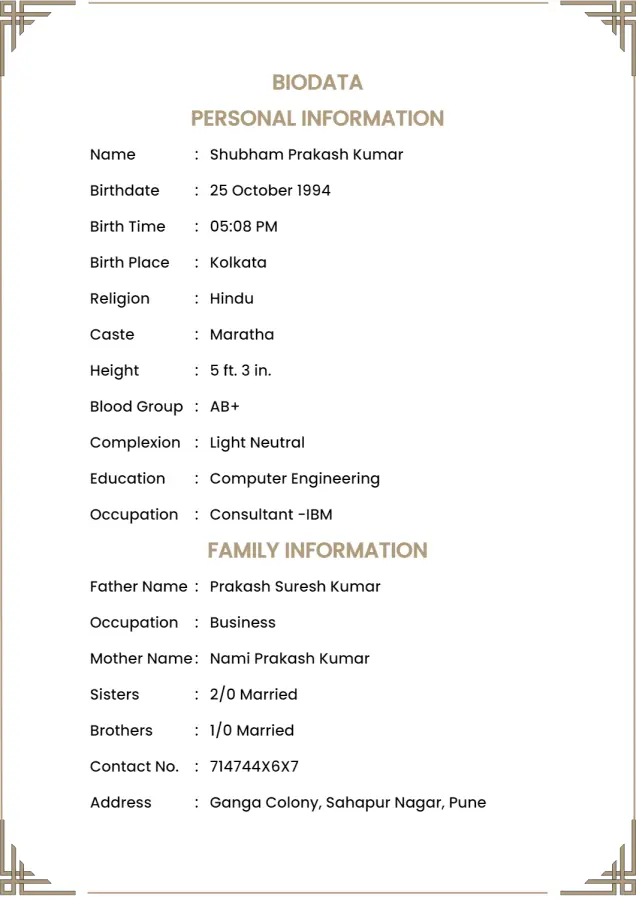
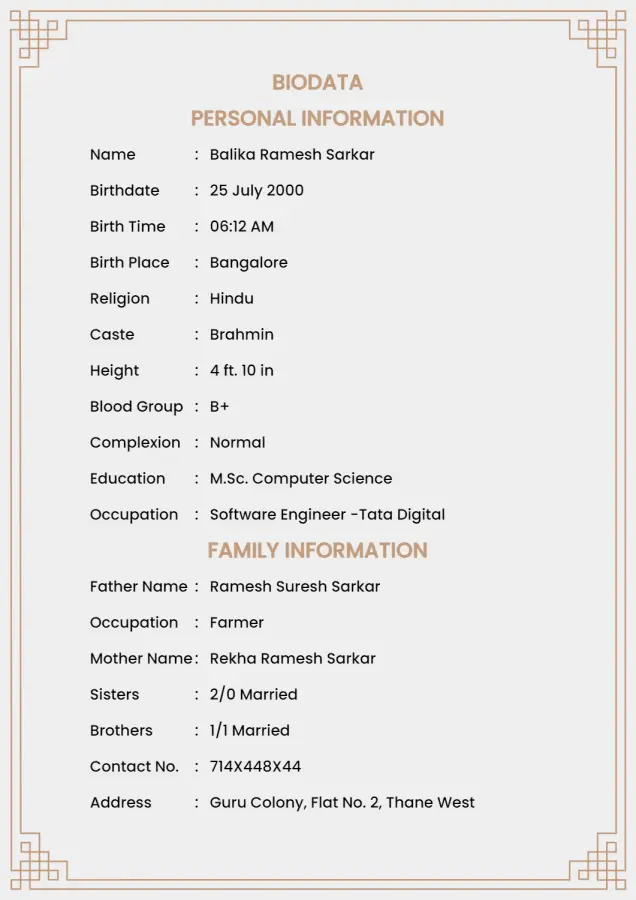
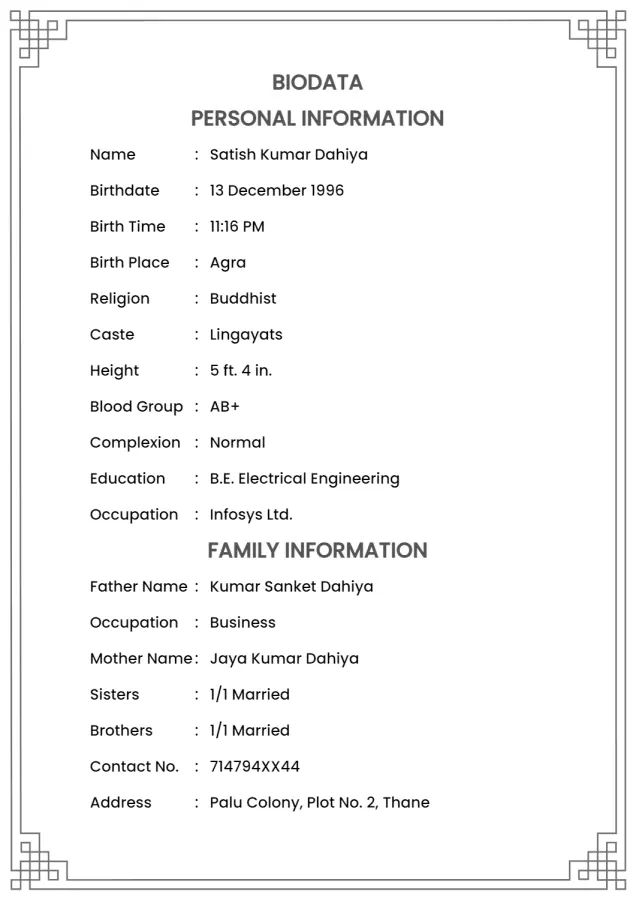
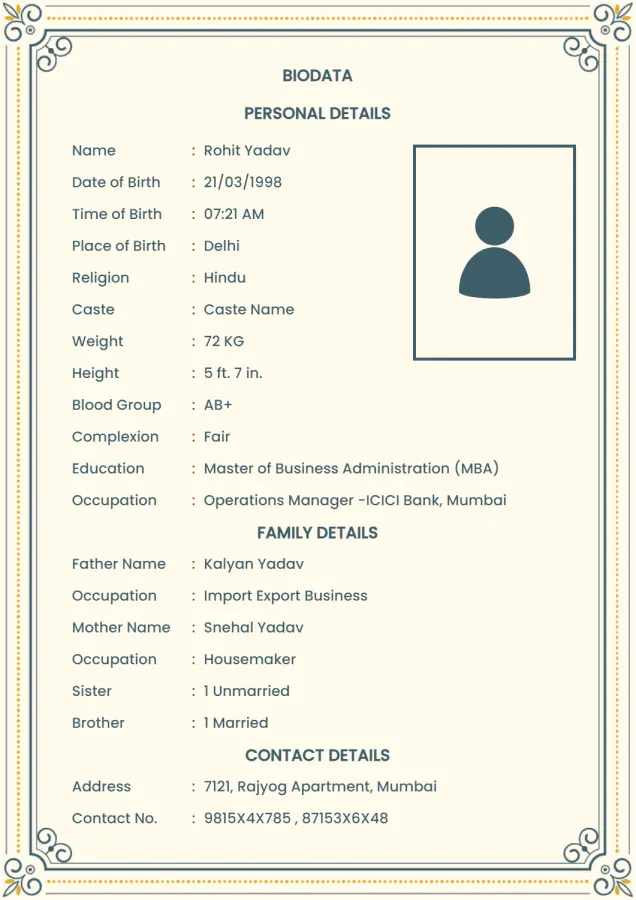
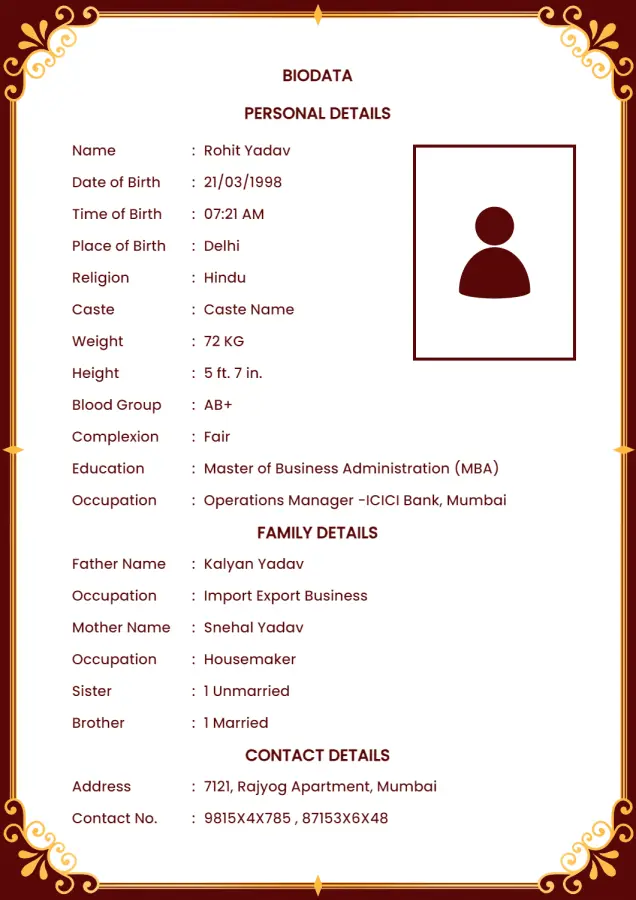
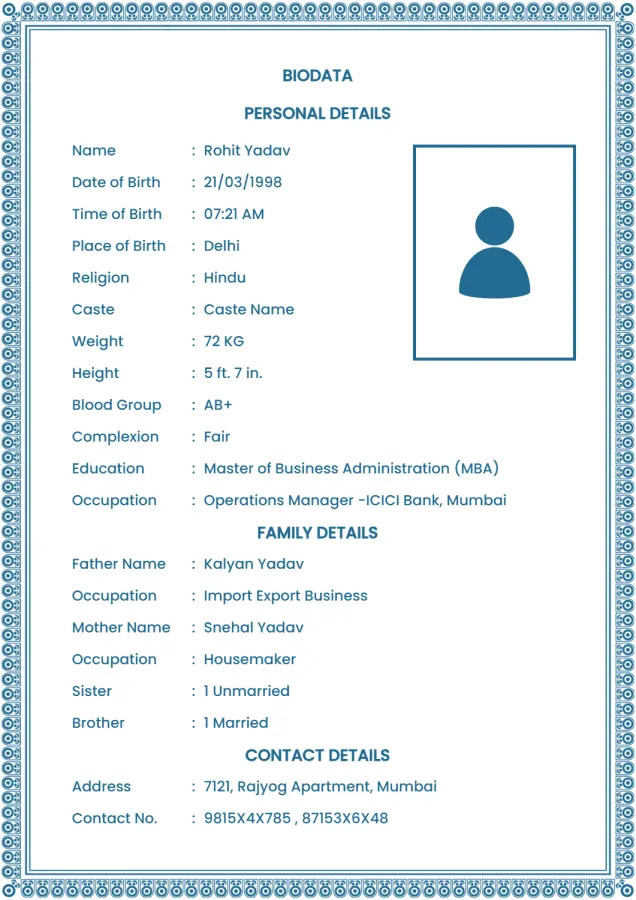
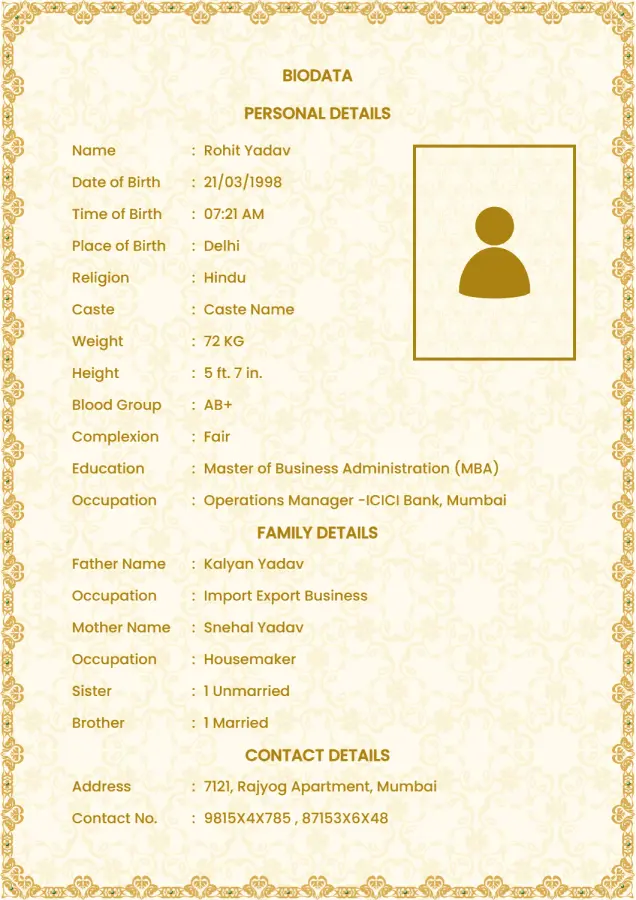
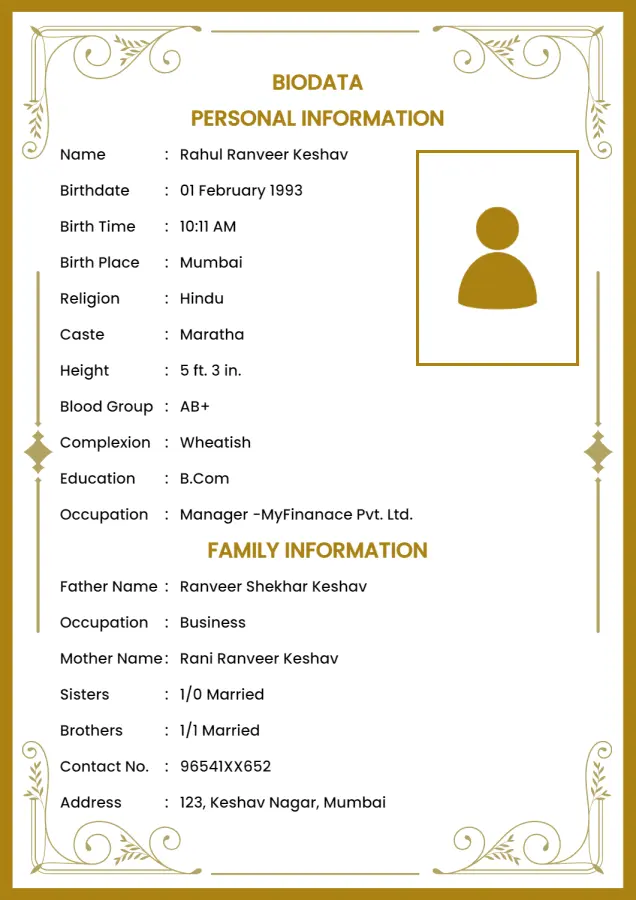
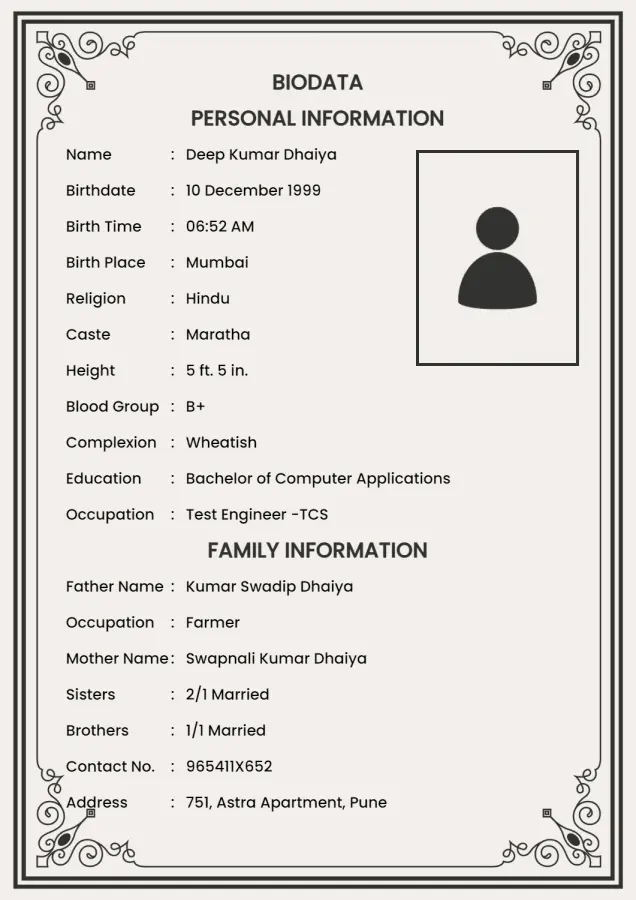
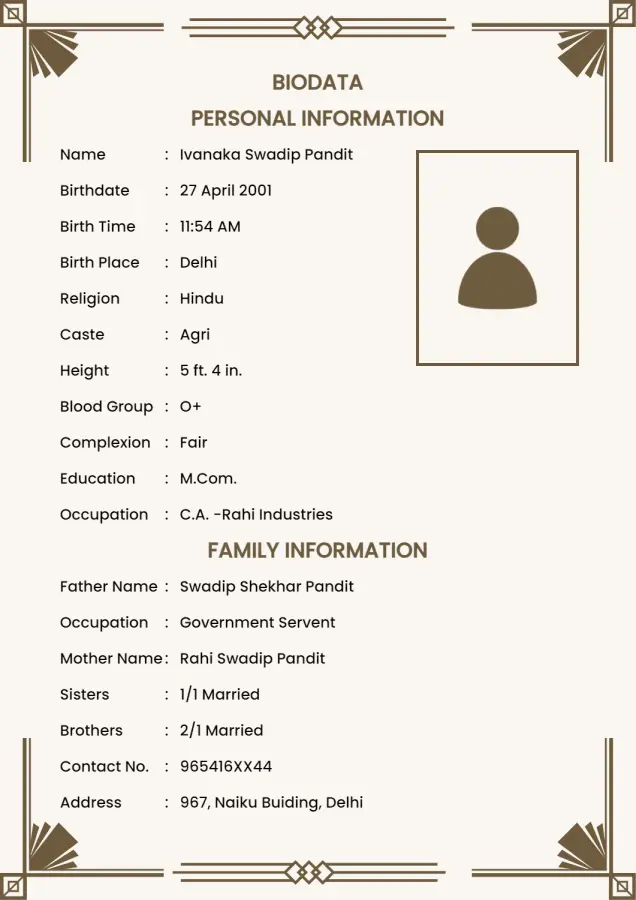
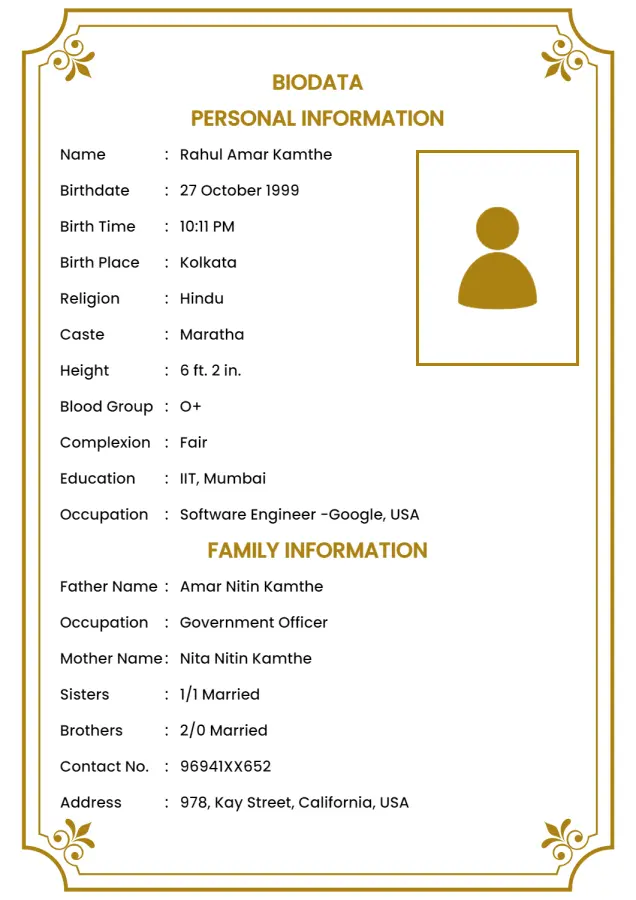
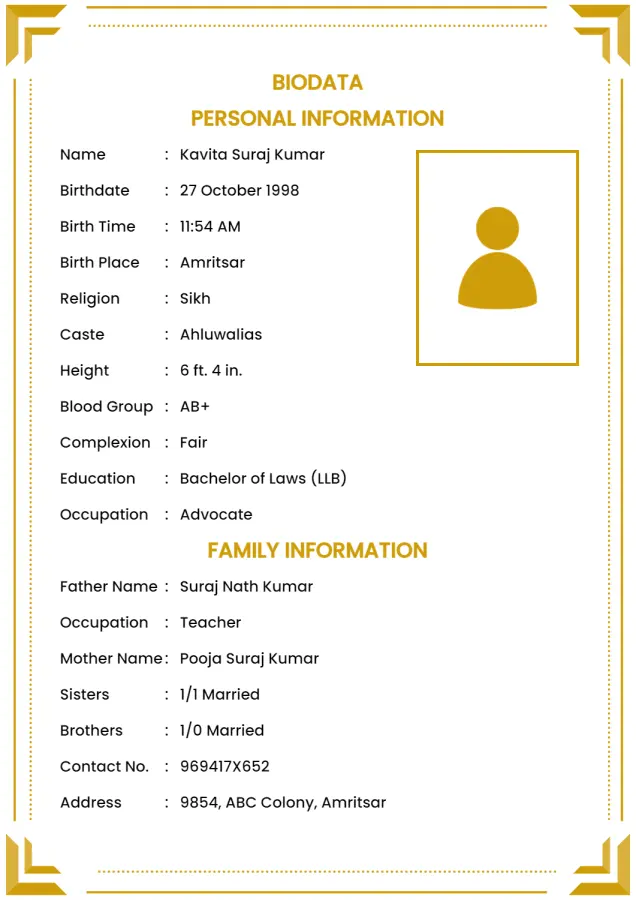
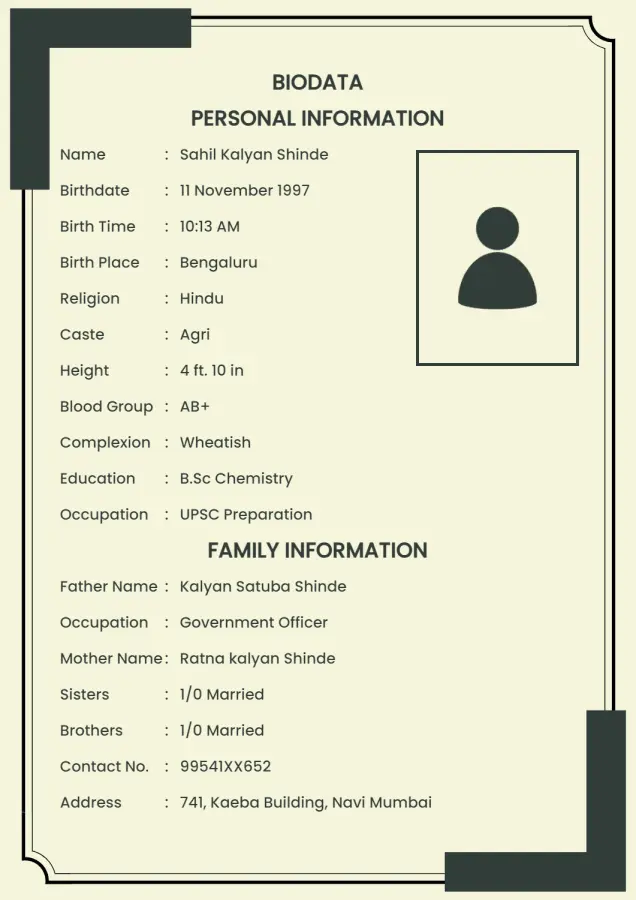
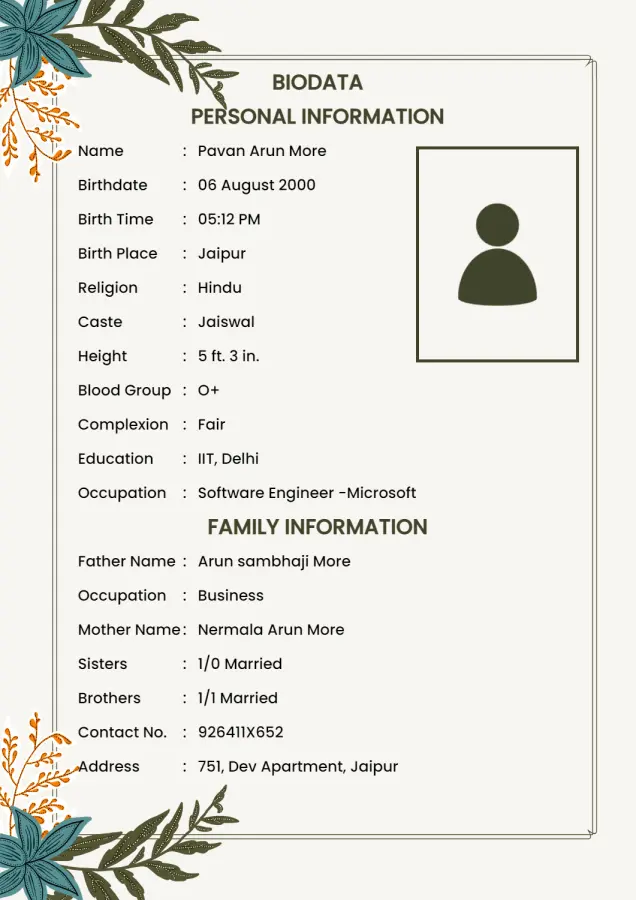
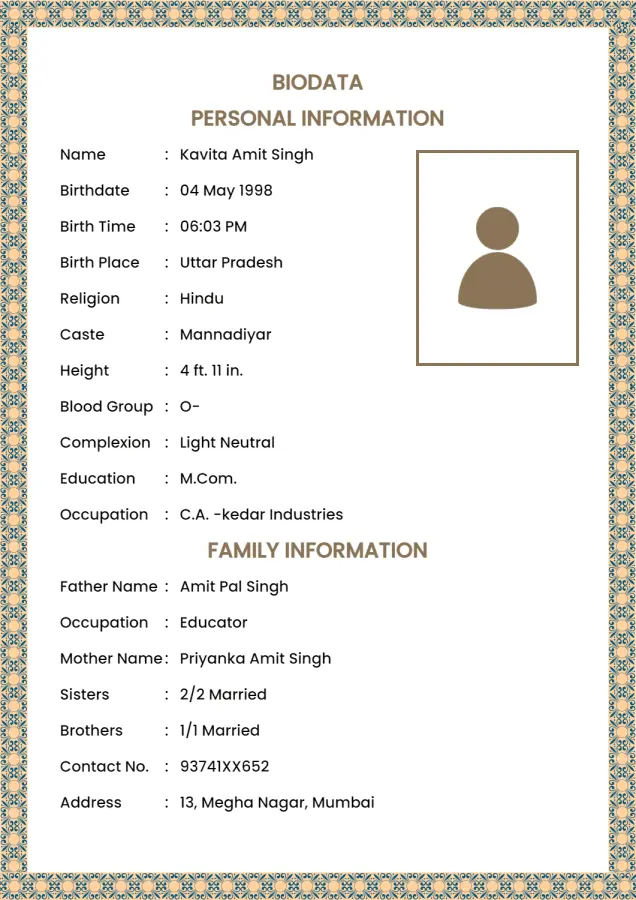
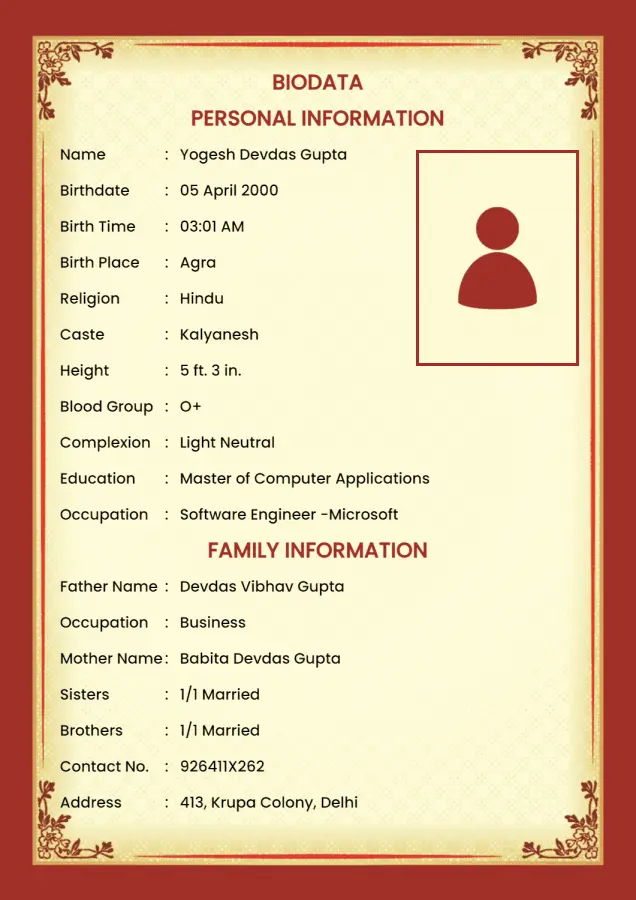
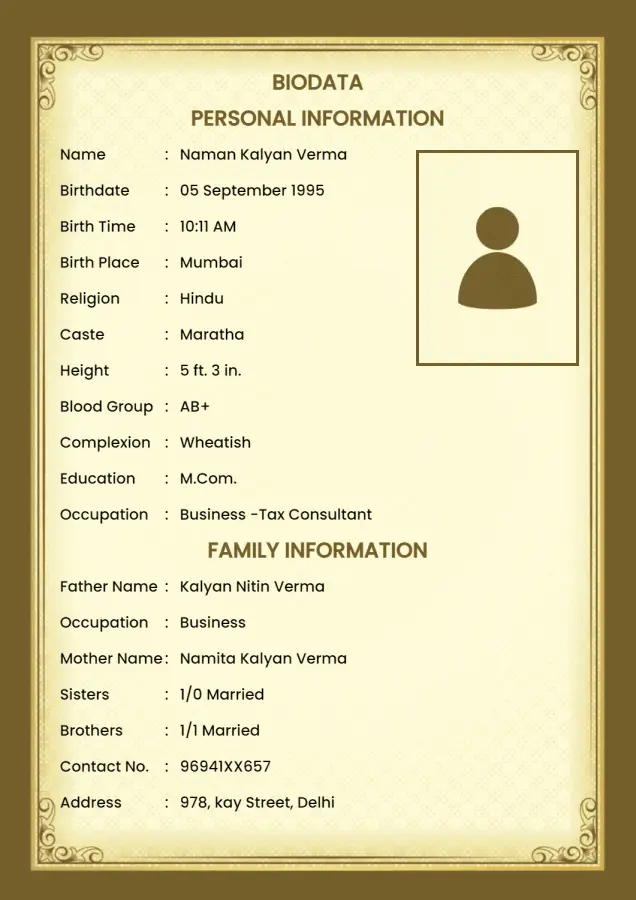
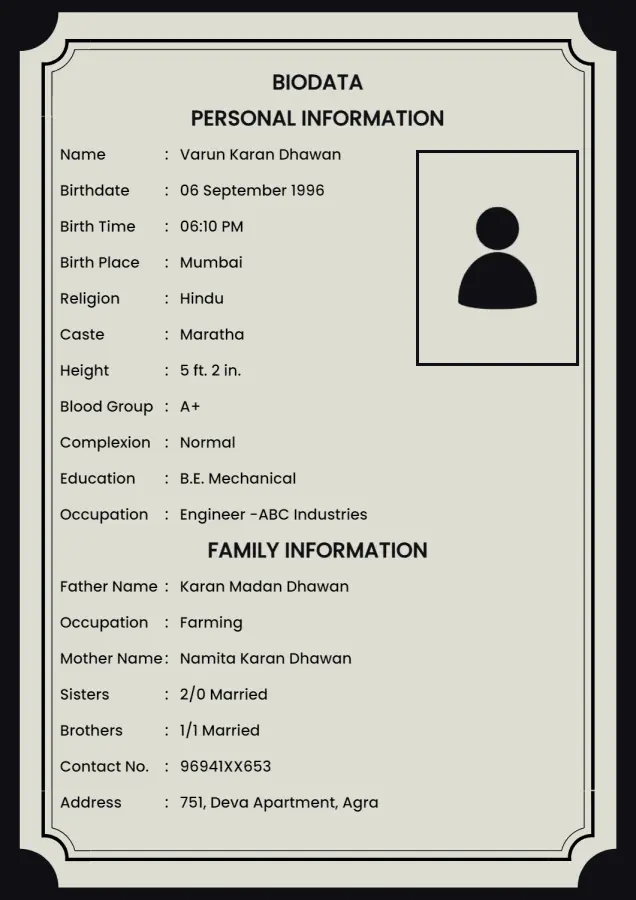
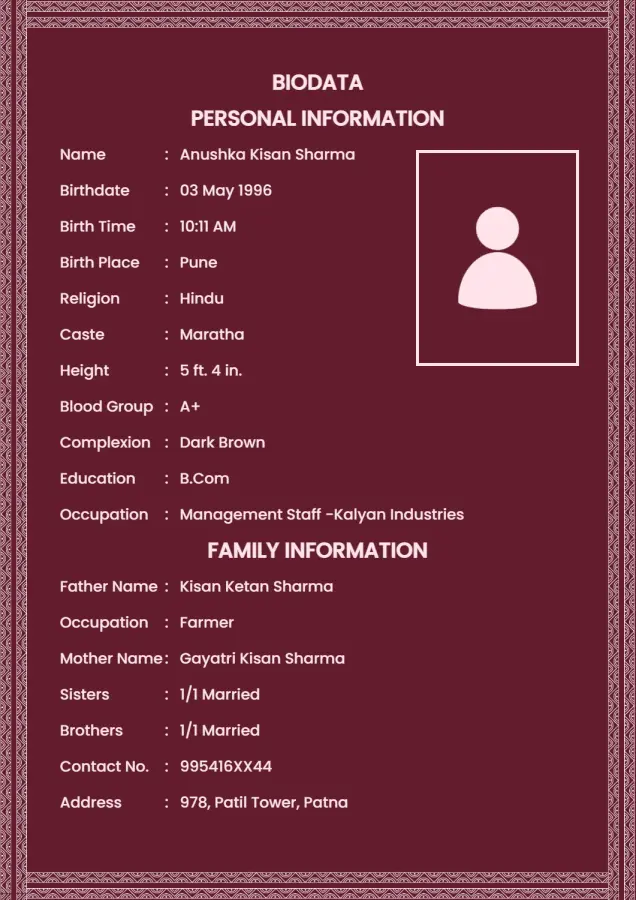
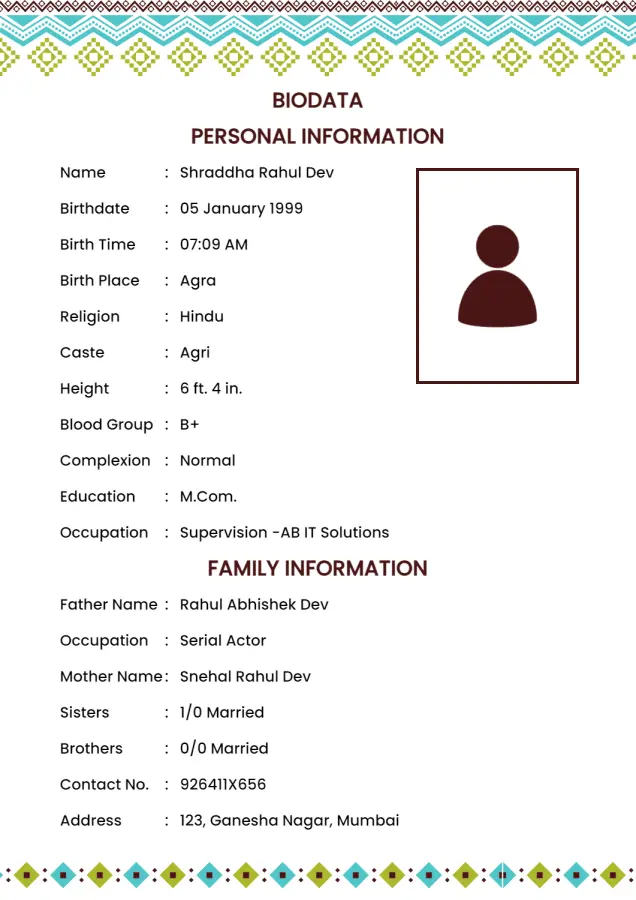
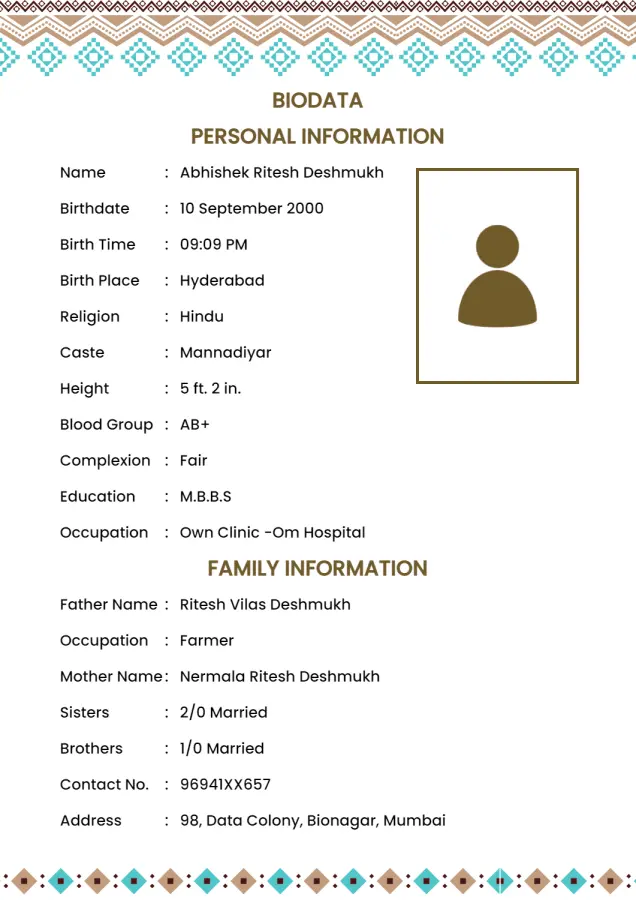
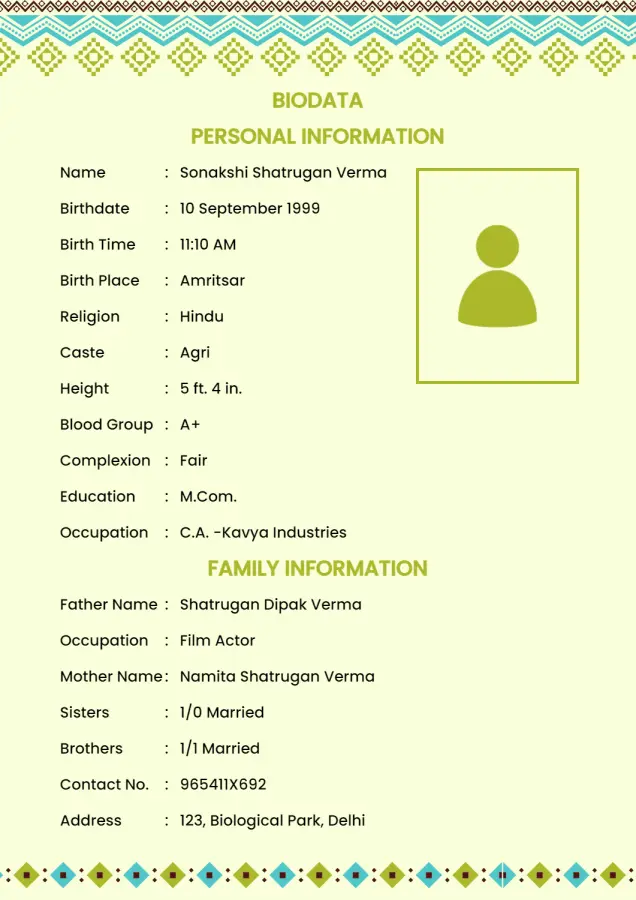
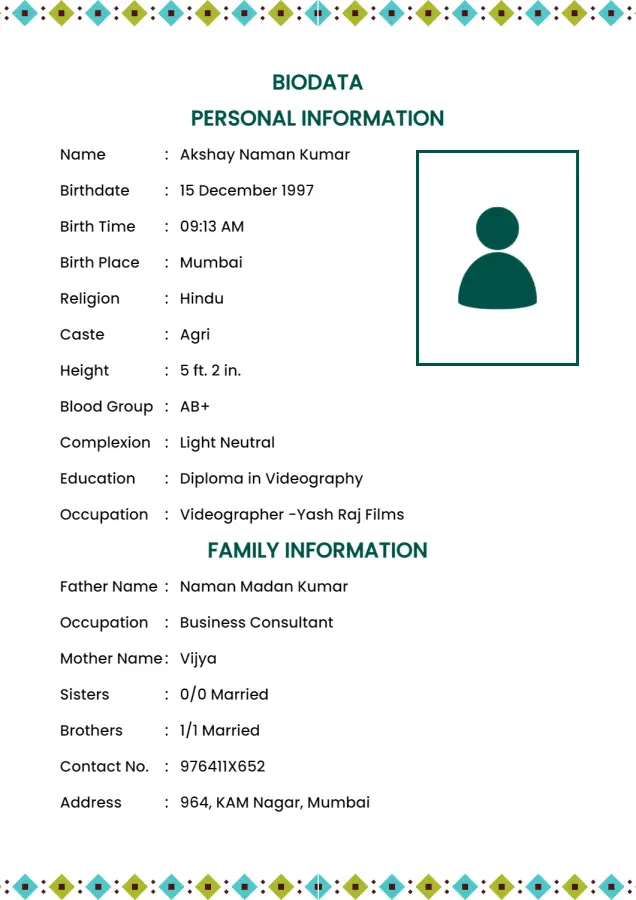
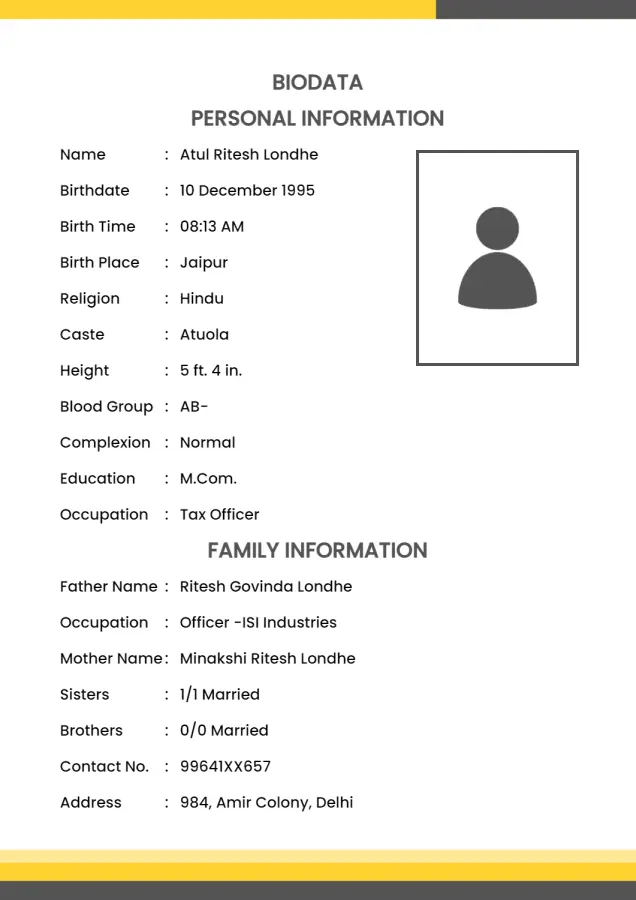
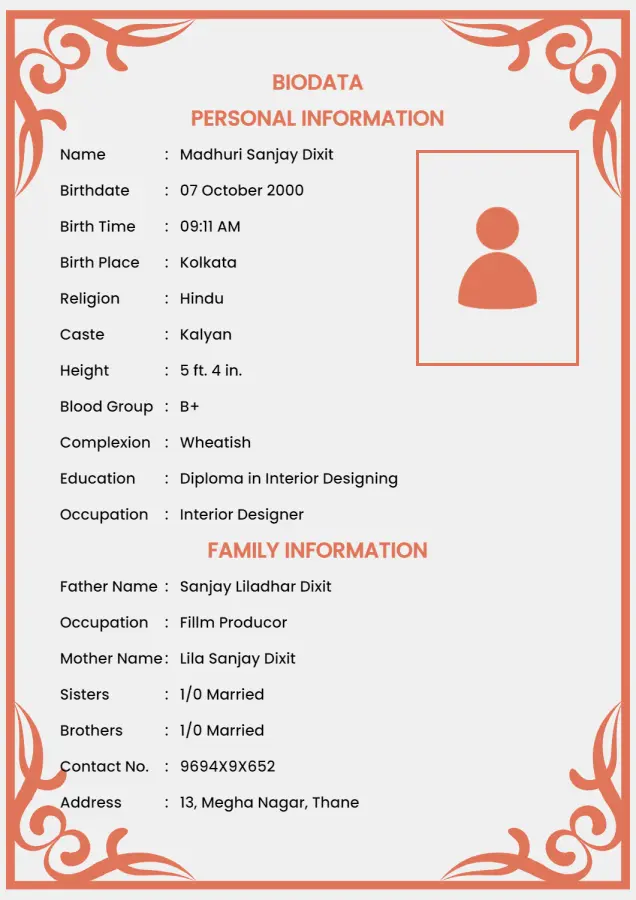
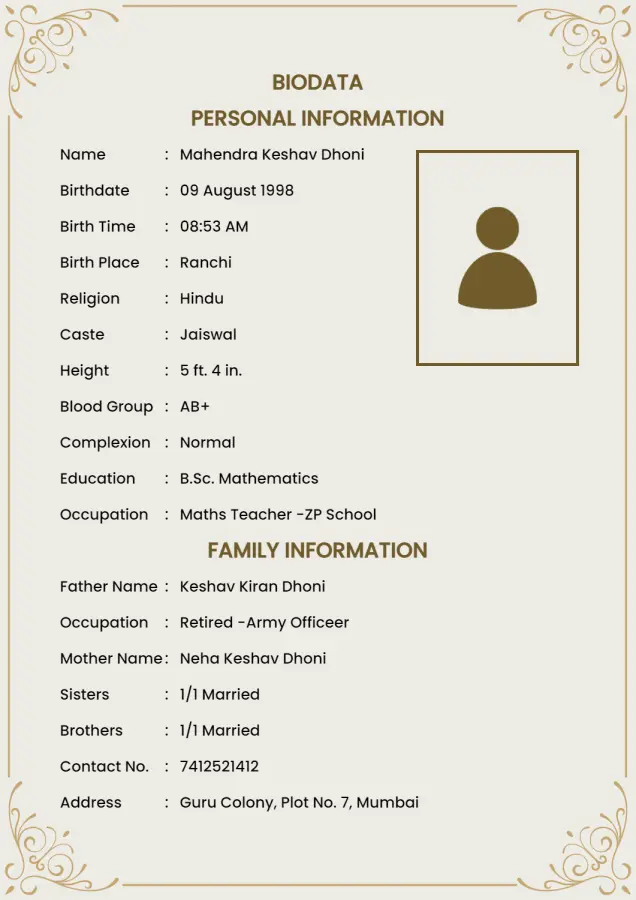
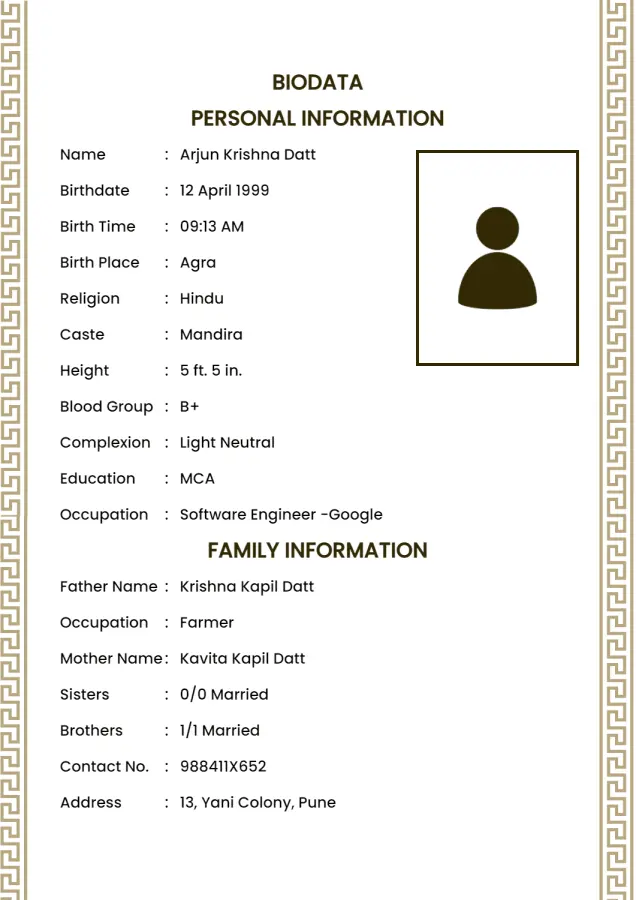
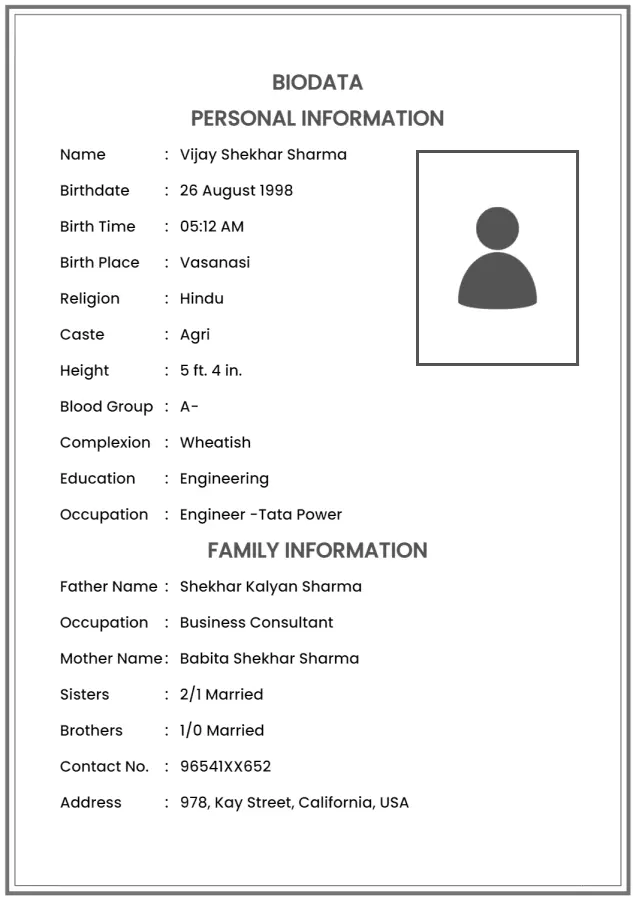
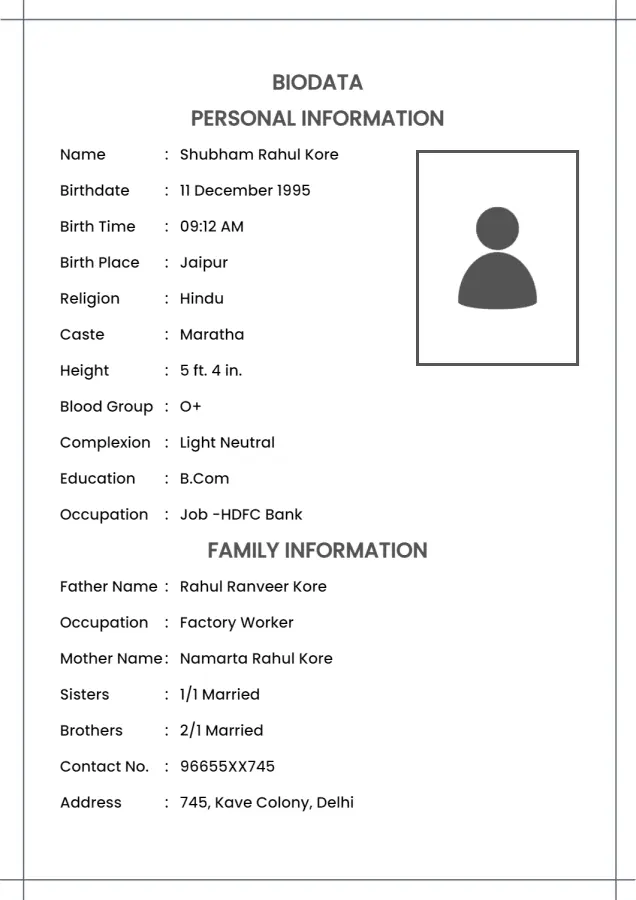
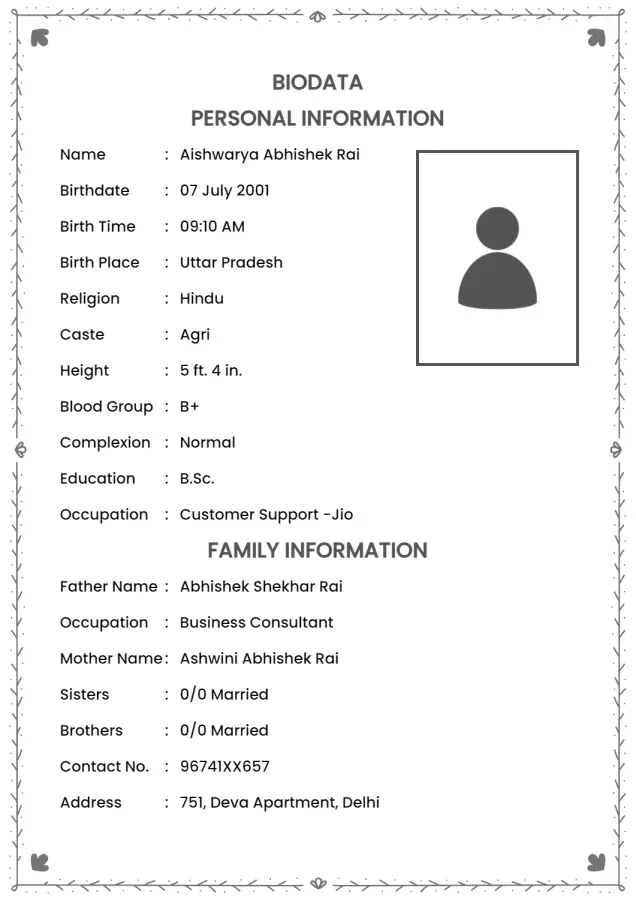
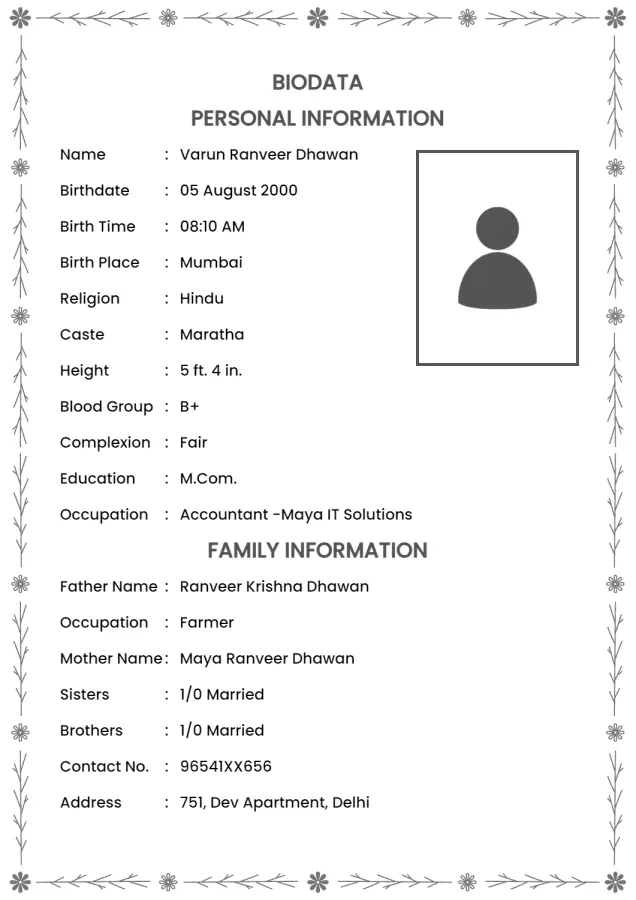
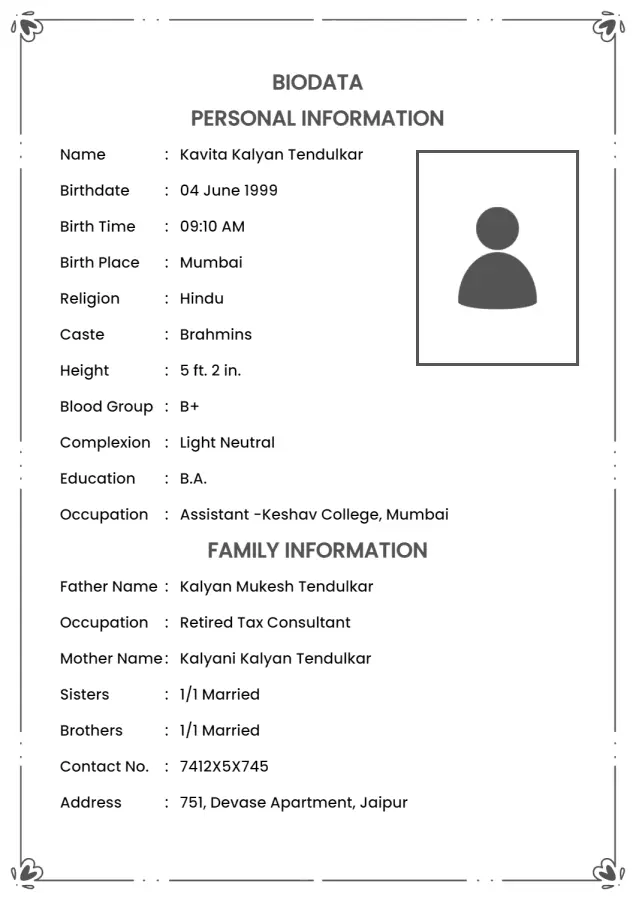
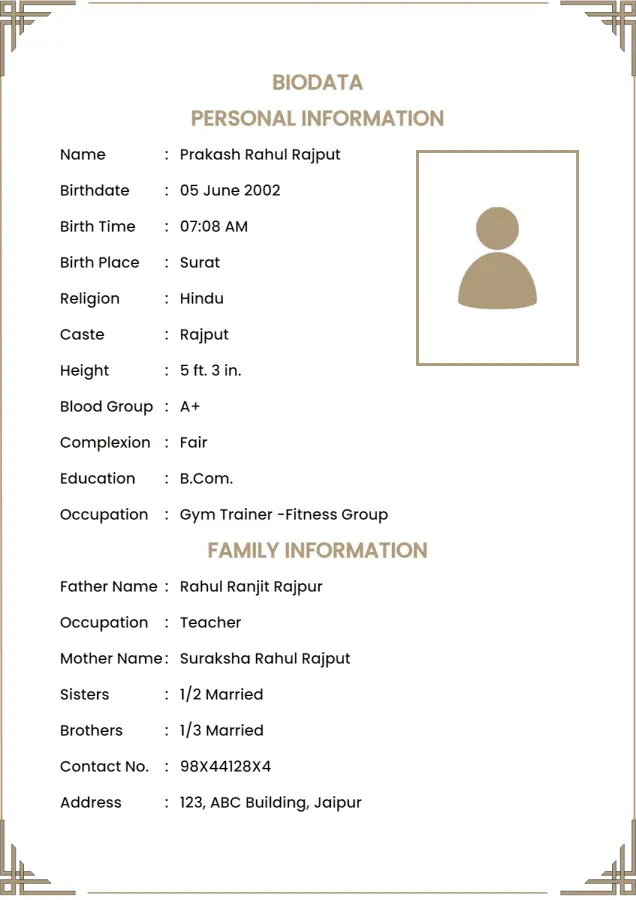
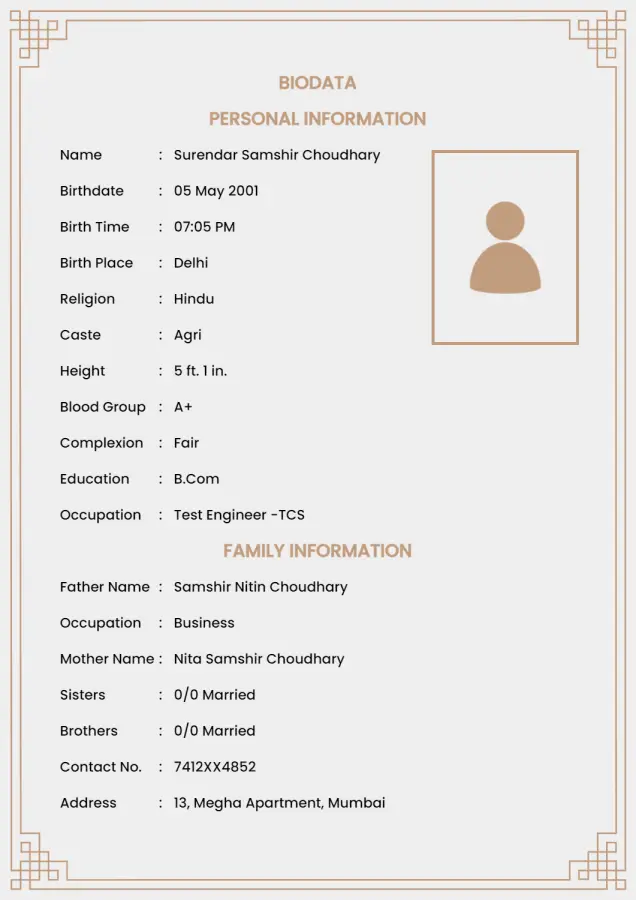
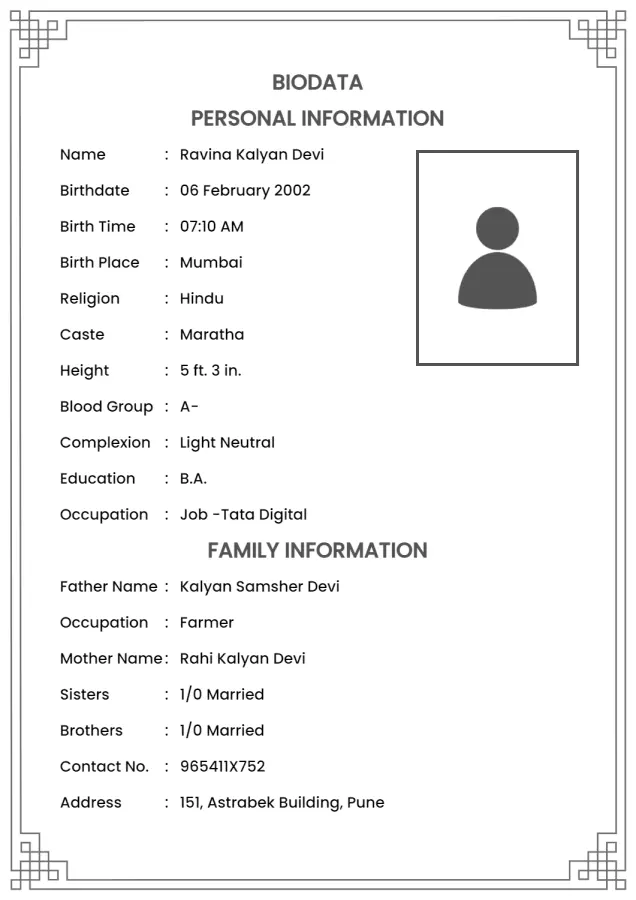
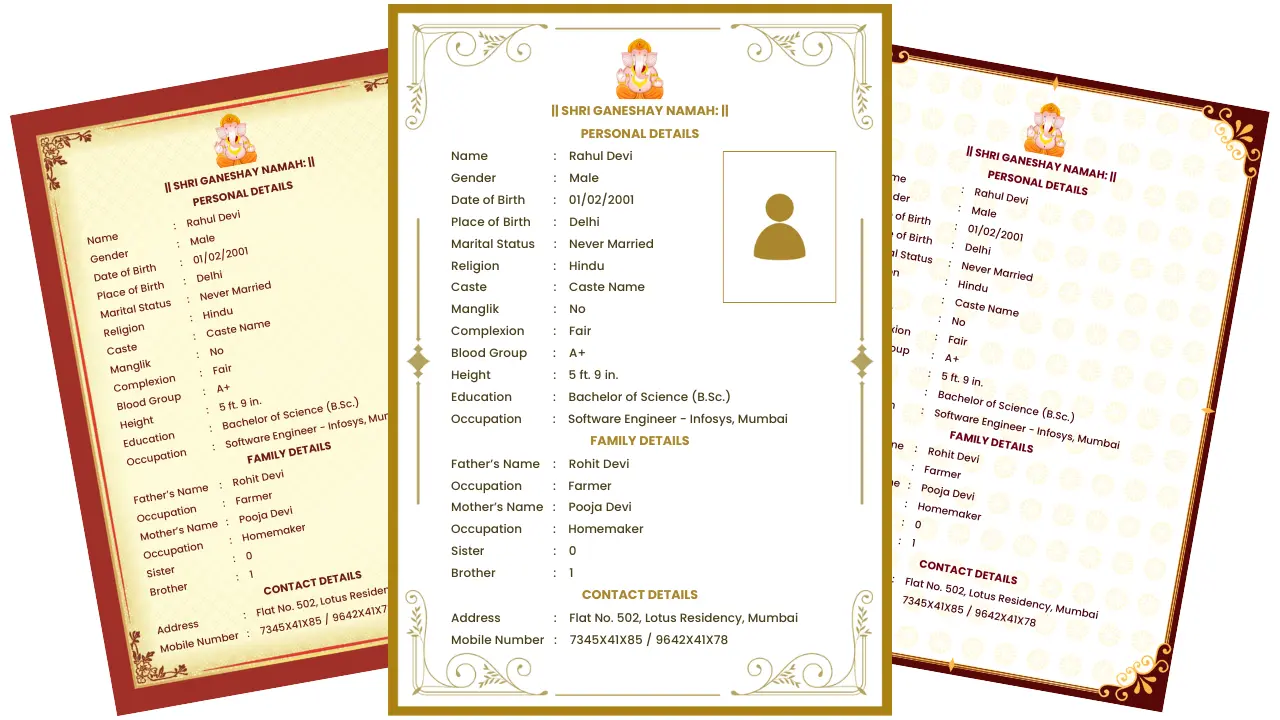
When looking for a life partner, having a marriage biodata is just as important as having a job biodata when seeking employment. Just like a job biodata helps match candidates with suitable positions, a marriage biodata helps to find the right life partner.
Making a good first impression always benefits you in every area of life. The "first impression is the last impression" is true.
When walking in this society, sometimes a stranger judges your character based on your appearance and behaviour. If you make an excellent first impression, you are respected and get what you want.
Like this, when looking for a life partner, biodata helps you to make an excellent first impression. That's why your biodata for marriage is so important.
Sharing a biodata for marriage is essential to find a suitable marriage partner. You can create, download and share biodata from any mobile, laptop, tablet, etc. We can share the prepared biodata for marriage in many ways after making a great biodata with the help of the Marriage Biodata Format Maker.
Some people share biodata through WhatsApp, some through email, and some through other social media apps like Facebook and Instagram, but probably everyone shares biodata through WhatsApp or email.
After making the biodata with the help of Biodata Maker, we download the biodata in PNG or PDF format, and we can share it as follows.
To share biodata on WhatsApp, first of all, open WhatsApp and open the profile of the person to whom you want to send the biodata, then click on the icon that looks like a pin in the chat section and send the downloaded biodata in PNG or pdf format from gallery and documents. In this way, we can share biodata through WhatsApp.
To send biodata through email, you first need to open a Gmail app or website and then click the pencil icon to compose the email. While writing the email, you must add the email address of the person you want to send the biodata to in the recipient section. Then you can enter who the biodata belongs to in the subject of the email, click on the pin icon below to upload the PNG and PDF format of the biodata and finally send the email after uploading. This way, we can share biodata via email.
We have a solution for you if you want to download the free biodata format for marriage. Click on the below button to download the free marriage biodata format.
Below are the links to download the marriage biodata in the "WORD" and "PDF" file formats. By clicking on the download link, you can download the marriage biodata-word format and marriage biodata format pdf for free.
If you have any queries regarding marriage biodata, contact the best marriage biodata maker (englishbiodata.com).
Your trusted online marriage biodata maker, loved by users worldwide
englishbiodata.com is your simple solution for creating marriage biodata online, straight from the web, with 100% security.