Catalog
Veterinary science has made massive strides in psychopharmacology. Medications like SSRIs (Selective Serotonin Reuptake Inhibitors) are now used alongside behavioral training to treat severe anxiety and OCD in animals. Understanding the neurobiology of the animal brain allows veterinarians to prescribe treatments that rebalance brain chemistry, making training and rehabilitation possible. Beyond the Clinic: Agriculture and Conservation
We are entering an era where technology is enhancing the vet’s ability to "read" behavior. Wearable technology—similar to fitness trackers for humans—can now monitor an animal’s sleep patterns, scratching frequency, and activity levels. In the near future, AI algorithms will likely assist veterinary scientists in predicting illness based on subtle behavioral deviations long before physical symptoms appear. Conclusion zoofilia hombre penetra perra 36 best
For endangered species in captivity, veterinary science uses behavioral enrichment to mimic natural environments. This is crucial for successful breeding programs and the eventual reintroduction of species into the wild. The Future: AI and Behavioral Diagnostics Beyond the Clinic: Agriculture and Conservation We are
Animal behavior and veterinary science are two sides of the same coin. As we continue to peel back the layers of animal consciousness, the veterinary profession will continue to move toward a more holistic, "whole-animal" approach. By treating the mind as carefully as we treat the body, we ensure a higher quality of life for the creatures that share our world. Why Behavior Matters in the Clinic
The integration of behavior into veterinary science serves three primary purposes: 1. Reducing Stress and Fear-Free Care
For decades, veterinary medicine focused almost exclusively on the physical health of animals—vaccinations, surgeries, and the eradication of parasites. However, as our understanding of the animal kingdom has evolved, so too has the realization that mental and physical health are inextricably linked. Today, the intersection of represents one of the most dynamic and essential fields in modern animal care. The Evolution of Clinical Ethology
In veterinary science, behavior is often the first clinical sign of a physical ailment. A cat that stops grooming might be suffering from arthritis; a dog that becomes suddenly aggressive might be experiencing neurological pain. By integrating behavioral science, veterinarians can diagnose underlying medical issues much faster than through physical exams alone. Why Behavior Matters in the Clinic
They trust us








News

TEMPER PLANT LAUNCHES PRODUCTION OF THREE-ECCENTRIC BUTTERFLY VALVES
13.02.2026

TEMPER EXPANDS THE RANGE OF BRASS FILTERS
30.12.2025

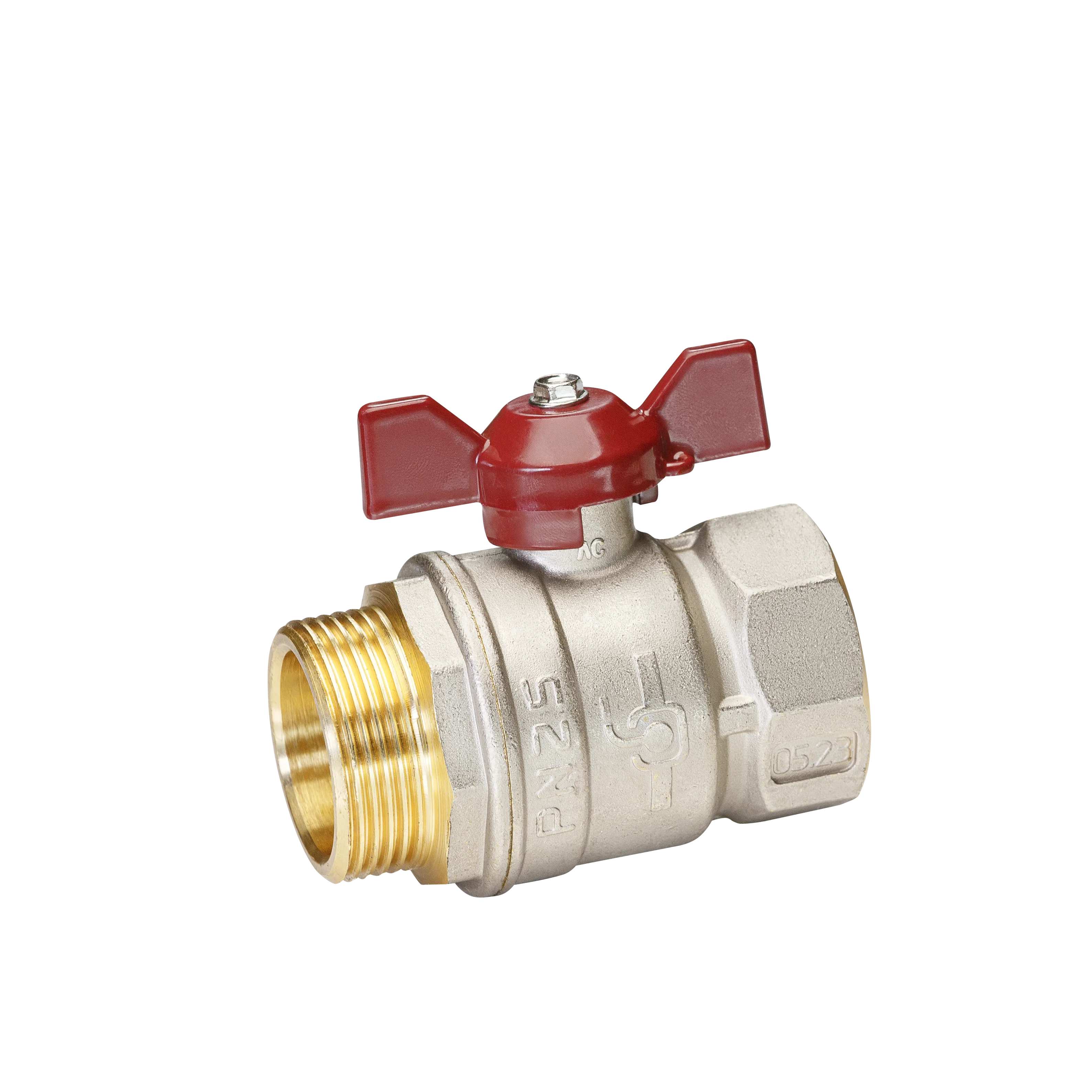
TEMPER LAUNCHES A NEW PRODUCT: BRASS BALL VALVES WITH MALE-MALE THREAD
01.12.2025

OUR SOLUTIONS FOR THE OIL AND GAS INDUSTRY WERE PRESENTED AT ZARUBEZHNEFT'S SUPPLIER DAY
28.11.2025
About company
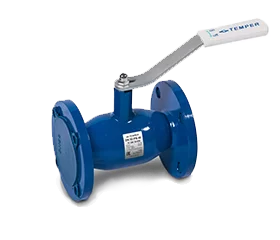
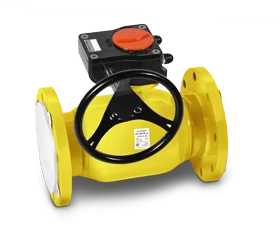
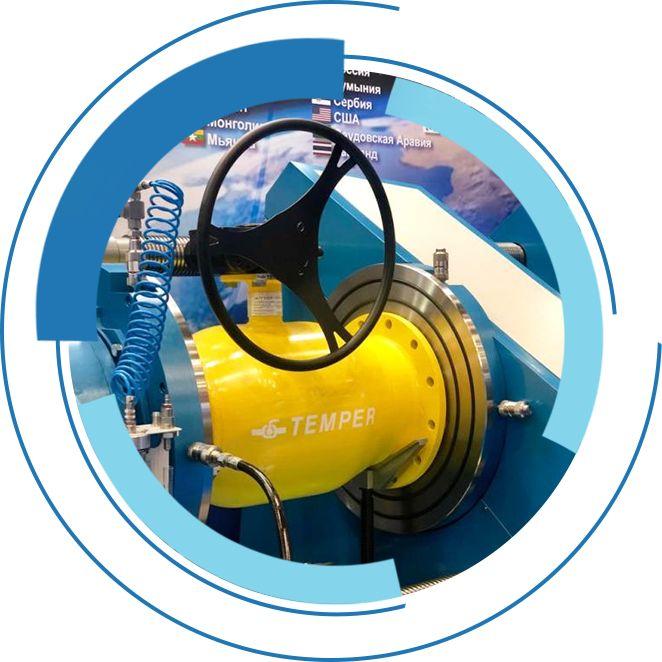
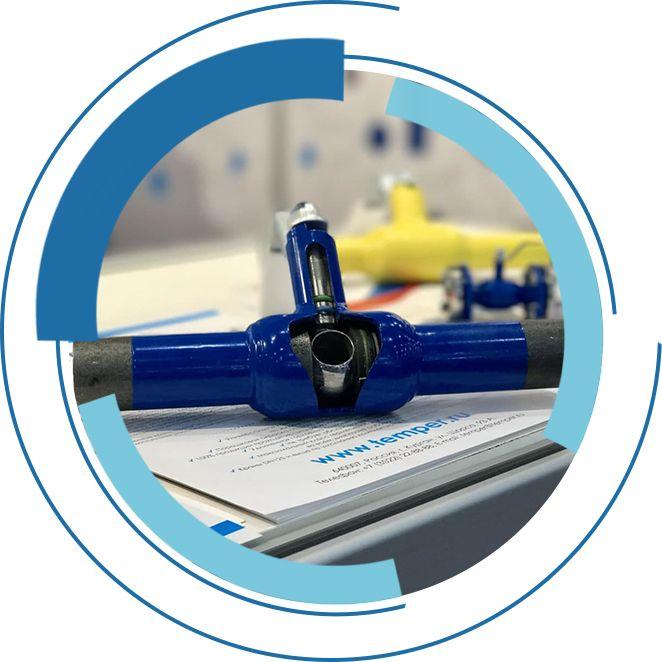
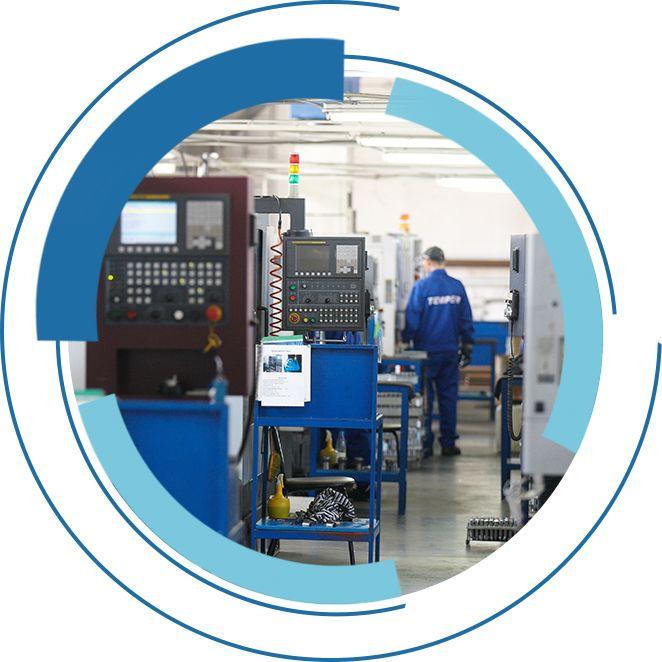
LLC TEMPER - the Russian plant on serial production of steel ball valves. The flexibility of the production process allows in the shortest possible time to solve the tasks set by customers, both in terms of production and execution options. Ball valves "TEMPER" are designed for installation in pipelines intended for transportation of oil and gas, heat supply systems, process pipelines, various units.

Production capacity
Cranes per month

Export
Countries

Dealers and partners

Units
Contacts
International sales department
"Temper" Saint-Petersburg
9-A, Yakornaya str., Saint-Petersburg, 195027, Russia
Филиал в г. Москва
195248, РФ, г. Санкт-Петербург, ул. Бокситогорская, 19 лит Н

Вход